Unlicensed Medics Caught in Dramatic Hawally Sweep
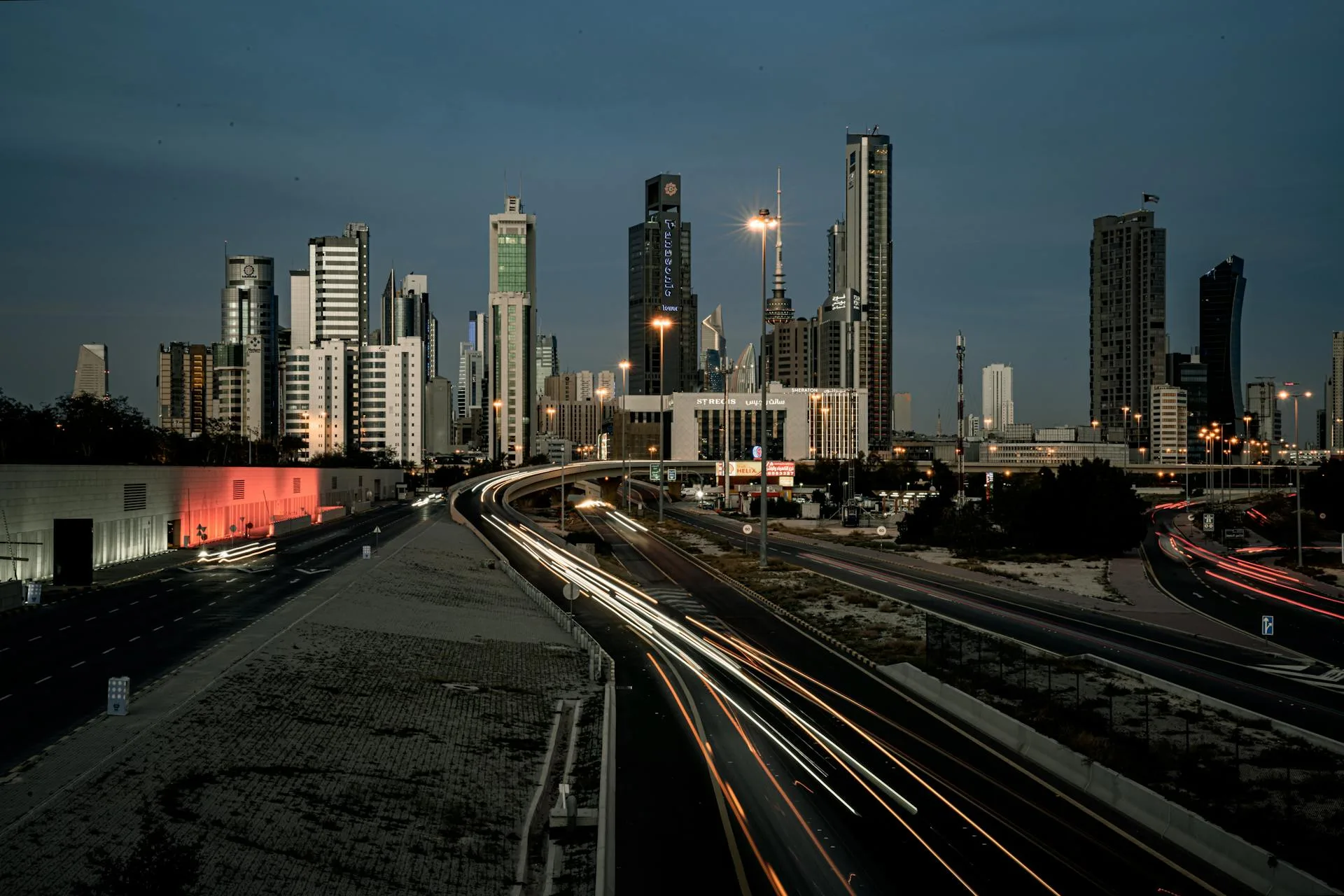
Unlicensed Medics Caught in Dramatic Hawally Sweep
A late-evening raid on February 12 by the Public Authority for Manpower resulted in the arrest of several unlicensed medics practicing medicine in Hawally, Kuwait. The operation has sent shockwaves through the healthcare community, highlighting concerns about unregulated medical practices in the Gulf state.
Hawally, a district in Kuwait City, is home to many expatriates and locals alike. However, it was not the city's vibrant business center or bustling markets that made headlines this week, but rather the quiet streets of Hawally where several workers were arrested for practicing medicine without licenses.
Kuwait has long been known for its strict regulations regarding medical practice and licensure, dating back to 1961 when the country gained independence. The Public Authority for Manpower has been responsible for overseeing healthcare professionals, ensuring that only qualified and trained medics provide care to patients and safeguarding public health and safety.
However, concerns about unregulated healthcare practices have persisted over the years, particularly during times of economic instability or social unrest. This latest incident is part of a broader trend of increased scrutiny of unlicensed medical practitioners in Kuwait. Authorities have been cracking down on such cases, with severe penalties including fines and imprisonment for those found guilty.
The implications of this incident extend beyond Kuwait's borders. Neighboring countries such as Saudi Arabia and the United Arab Emirates also have strict regulations regarding medical practice and licensure. Any signs of laxity could lead to increased cooperation or pressure from regional authorities to crack down on unlicensed practitioners, potentially affecting healthcare standards across the region.
As the Public Authority for Manpower continues its efforts to strengthen oversight, it is essential that the international community takes note. The global health landscape has become increasingly interconnected, and any cracks in Kuwait's regulatory framework could have far-reaching consequences for regional stability and patient safety.
The dramatic Hawally sweep serves as a timely reminder of the importance of robust regulations and enforcement in ensuring public health and safety. As Kuwait continues to navigate its economic and social challenges, it is clear that maintaining high standards in healthcare will remain a top priority.