“No Malawian Should Die of Hunger” as Maize Prices Collapse After State Intervention
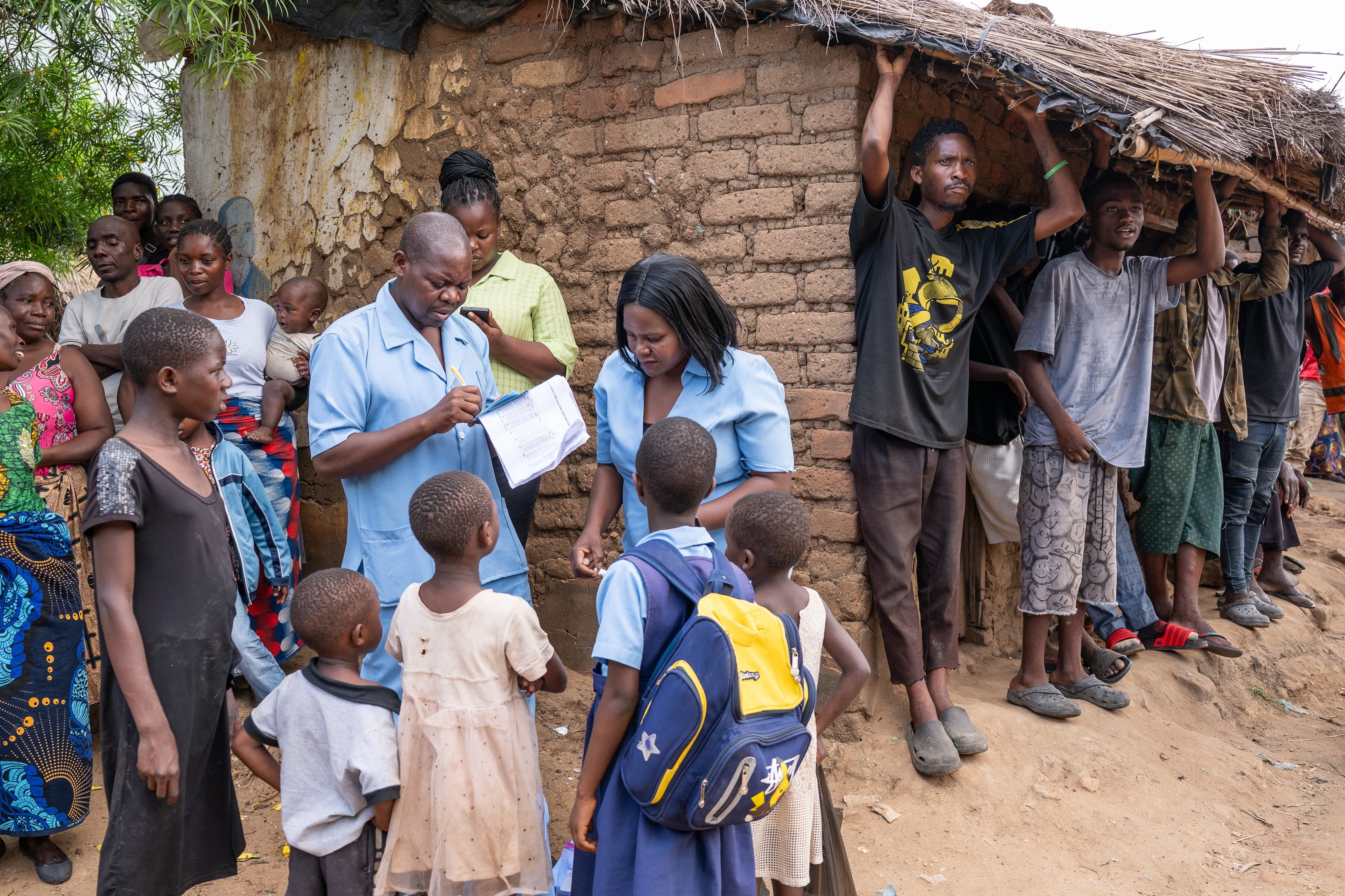
Malawi's Maize Prices Plummet After State Intervention
Maize prices in Malawi collapsed dramatically just minutes before 10 AM UTC on February 13, 2026, sending shockwaves throughout the country's already fragile food security landscape. The sudden collapse is a direct result of state intervention aimed at stabilizing prices and ensuring a steady supply of this staple crop.
Malawi, a landlocked country in Southeastern Africa, has long struggled with recurring episodes of food insecurity. Maize, the country's primary source of nutrition, plays a crucial role in Malawi's food security. However, the reliance on maize as a staple crop makes the country vulnerable to price fluctuations, which have significant implications for its economy and population.
In recent years, Malawi has become increasingly dependent on imports to meet its food needs due to limited agricultural production. This has raised concerns about the country's sovereignty and ability to ensure food security for its citizens. The government's efforts to intervene in the market have been met with mixed results, but this latest development suggests a glimmer of hope.
The collapse of maize prices is a testament to the effectiveness of state intervention in stabilizing the market. According to reports from local traders, prices plummeted by as much as 50% within minutes of the government's announcement. While this may seem like a small victory, it has significant implications for Malawi's economy and food security.
The situation also highlights the interconnectedness of regional food systems. Zambia and Mozambique, both major producers of maize, may experience increased competition for market share and potentially lower prices for their products. This could have far-reaching consequences for neighboring countries, which may struggle to adapt to the new market dynamics.
As Malawi celebrates this small victory, it is essential to acknowledge that there is still much work to be done. The country's food security challenges are complex and multifaceted, requiring a comprehensive approach that addresses both short-term and long-term solutions. While this latest development is a welcome relief, it is only the beginning of a more sustained effort to ensure that no Malawian should die of hunger.
In the coming weeks and months, policymakers must build on this momentum by implementing policies that promote sustainable agriculture, invest in infrastructure, and support small-scale farmers. Only through collective action can regional countries address issues of food security and economic stability, ensuring a brighter future for their citizens.