Kyrgyzstan and Tajikistan Agree to Increase Mutual Trade to $500 Million
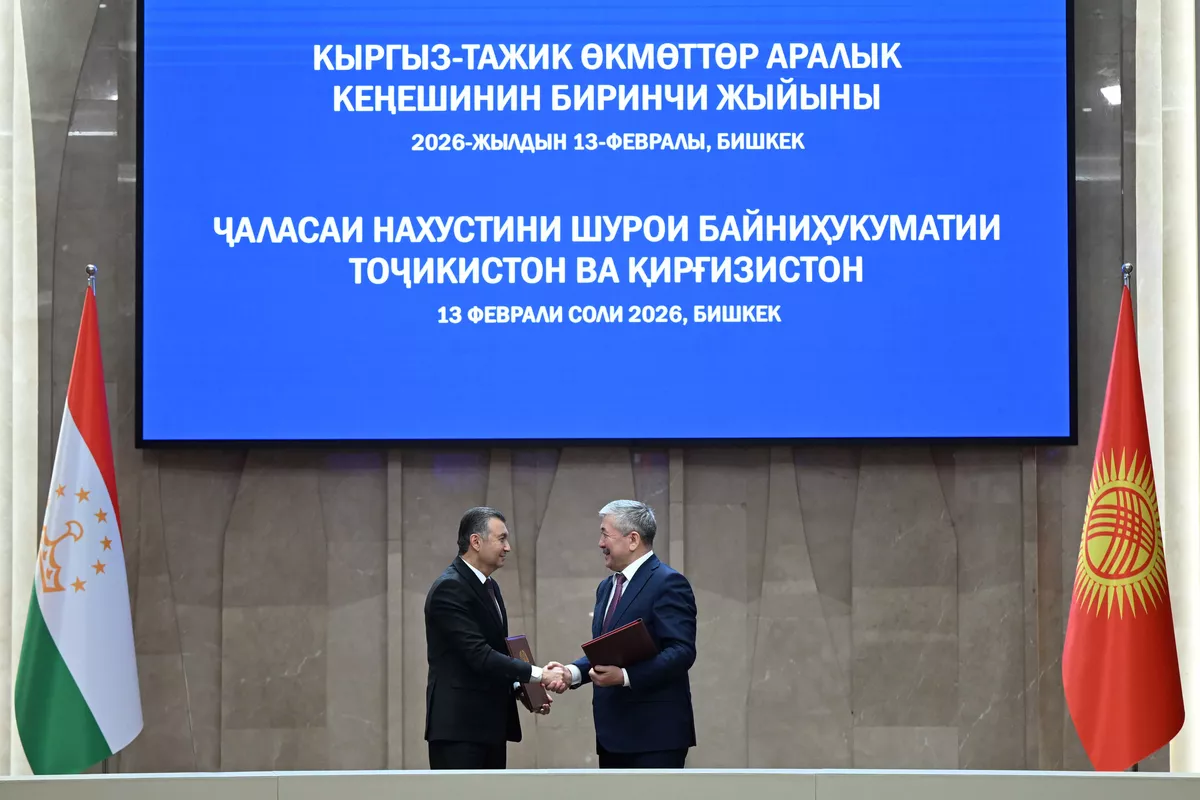
Kyrgyzstan and Tajikistan Agree to Increase Mutual Trade to $500 Million
In a significant breakthrough, Kyrgyzstan and Tajikistan have agreed to boost their mutual trade volume to $500 million, marking a major step towards increasing regional trade and economic cooperation in Central Asia. The announcement was made on February 13, 2026, after years of efforts by the two nations to strengthen their economic ties.
The agreement is the first time Kyrgyzstan and Tajikistan have set a specific target for bilateral trade, following a period of sporadic negotiations and cooperation since 2019. During this time, both countries have struggled to overcome geographical and cultural differences that have historically hindered their economic integration. However, as members of the Eurasian Economic Union (EEU) and the Shanghai Cooperation Organization (SCO), Kyrgyzstan and Tajikistan have found common ground through these regional organizations.
The trade agreement is expected to benefit both countries, with Kyrgyzstan's main exports to Tajikistan including cotton, wool, and food products. In return, Tajikistan will import gold, copper, and machinery parts from Kyrgyzstan. The agreement is seen as a significant step towards increasing regional trade and economic cooperation, which could have far-reaching implications for neighboring countries in Central Asia.
Uzbekistan and Kazakhstan, both members of the EEU and SCO, may see this development as an opportunity to increase their own regional trade and economic influence. However, some analysts worry that Kyrgyzstan and Tajikistan's growing economic ties could lead to increased competition for resources and markets in the region. This tension highlights the complex geopolitical landscape of Central Asia, where economic cooperation is closely tied to regional security and strategic interests.
The agreement between Kyrgyzstan and Tajikistan marks a significant milestone in their efforts to strengthen their economic relationships. As both countries continue to navigate the challenges of regional trade and economic integration, this development could have a lasting impact on the future of Central Asia. With $500 million in bilateral trade on the horizon, Kyrgyzstan and Tajikistan are poised to take a major step forward in their quest for economic prosperity and cooperation.
\n\n
Kyrgyzstan and Tajikistan's Growing Economic Ties: A Double-Edged Sword
The agreement between Kyrgyzstan and Tajikistan has sparked debate about the potential benefits and drawbacks of increased regional trade and economic integration. While some see this development as a positive step towards increasing prosperity and cooperation, others worry that it could lead to increased competition for resources and markets in the region.
On one hand, the growing economic ties between Kyrgyzstan and Tajikistan are likely to benefit both countries, with increased trade and investment leading to job creation, economic growth, and improved living standards. The agreement is expected to boost Kyrgyzstan's main exports, including cotton, wool, and food products, while also providing Tajikistan with access to gold, copper, and machinery parts.
On the other hand, some analysts warn that Kyrgyzstan and Tajikistan's growing economic ties could lead to increased competition for resources and markets in the region. This tension highlights the complex geopolitical landscape of Central Asia, where economic cooperation is closely tied to regional security and strategic interests. Uzbekistan and Kazakhstan, both members of the EEU and SCO, may see this development as an opportunity to increase their own regional trade and economic influence.
As Kyrgyzstan and Tajikistan continue to navigate the challenges of regional trade and economic integration, it remains to be seen how this development will play out in practice. However, one thing is clear: the agreement between these two Central Asian nations marks a significant milestone in their efforts to strengthen their economic relationships and could have far-reaching implications for the future of the region.