Massive Anti-Government Protests Sweep Bulgaria Over Corruption and Budget Plans
Protests Sweep Bulgaria Over Corruption and Budget Plans
Tens of thousands of Bulgarians took to the streets across major cities on February 11, 2026, as widespread anti-government protests continued to sweep the country. The demonstrations, which have been ongoing for several days, are centered around corruption allegations against Prime Minister Rosen Zhelyazkov's center-right government and its handling of the 2026 draft budget.
The initial outrage over proposed tax hikes and pension changes in the budget has given way to broader concerns about government corruption and economic instability. The protests, marked by violence against police and property, are part of a larger trend of anti-government sentiment in Bulgaria that has been simmering for several years.
Bulgaria's experience with periods of significant political unrest is not new. The country's transition to democracy after the fall of communism in 1990 was marked by challenges, including corruption and economic instability. In recent years, Bulgaria has struggled with issues such as organized crime, human trafficking, and money laundering, which have contributed to public discontent.
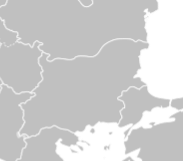
The current protests are also part of a broader trend of anti-government sentiment in Eastern Europe, where citizens are increasingly demanding greater transparency and accountability from their leaders. The implications of the protests in Bulgaria extend beyond its borders, with significant regional significance for neighboring countries Romania and Turkey.
Romania has been experiencing similar economic challenges and has seen growing anti-corruption movements in recent years, which may be inspired by the Bulgarian protests. Meanwhile, Turkey has historically had close ties with Bulgaria's ruling elite, but the current protests have also led to increased tensions between the two countries, as some Bulgarians view Turkish influence as a threat to their country's sovereignty.
As the situation in Bulgaria continues to unfold, it remains to be seen how the government will respond to the growing public discontent. With economic instability and corruption at the forefront of citizens' minds, the future outlook for the country is uncertain. One thing is clear, however: the protests in Bulgaria are a wake-up call for the need for greater transparency and accountability from leaders, and a reminder that the pursuit of justice and fairness must be a top priority in any democratic society.