Head of ethnic army accuses world leaders of ignoring junta's deadly airstrikes
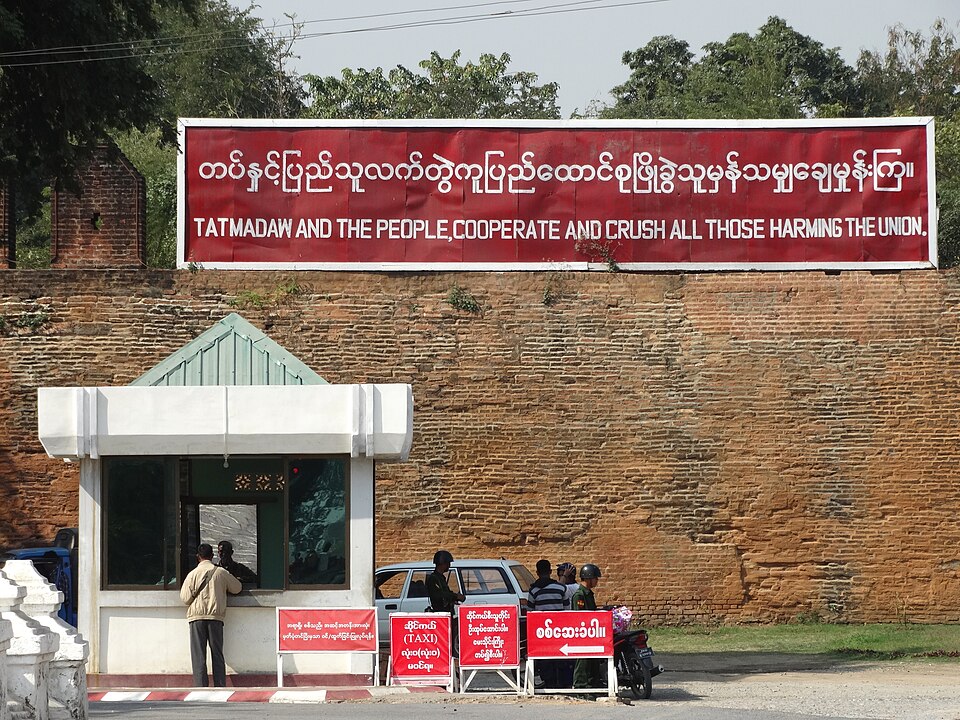
The head of an influential ethnic army in Myanmar's Shan State has accused world leaders of ignoring the junta's deadly airstrikes on civilian targets, calling them "tantamount to genocide".
The airstrikes, which occurred on February 12, 2026, targeted civilian areas in Loi Tai Leng, a region in Shan State that has long been a hotbed of ethnic tensions between the central government and local militias. The head of the ethnic army claimed that the junta's actions were "tantamount to genocide" and that world leaders had failed to condemn them strongly enough.
The conflict in Myanmar has deep roots in the country's complex history of ethnic tensions and military rule. Since 1885, when Britain colonized the country, Myanmar has experienced a series of military coups, with each attempt at democracy being met with force by the military. In 1962, the military took control of the government for good, and since then, there have been numerous attempts at civilian rule, but each time, the military intervened, often using violence.
The current junta, led by Min Aung Hlaing, has been in power since 2021 and has faced widespread international condemnation for its human rights abuses and suppression of dissent. The regime's actions have drawn in neighboring countries, including China and India, which have provided military aid to Myanmar's ethnic rebels and condemned the junta's actions.
China is particularly concerned about the stability of the region and the potential for Chinese influence to spread. However, the conflict has also raised concerns about China's own human rights record and its role in the region. India, on the other hand, has a smaller border with Myanmar but is also concerned about the impact of the conflict on regional security.
The junta's actions have sparked a new wave of outrage among international leaders, who are beginning to take notice of the escalating situation. The United States, European Union, and other countries have condemned the airstrikes and called for an end to the violence. However, it remains to be seen whether these condemnations will translate into meaningful action.
As the conflict in Myanmar continues to unfold, one thing is clear: the international community must do more to address the humanitarian crisis and hold those responsible accountable. The junta's actions are a stark reminder of the devastating consequences of military rule and the importance of promoting democracy and human rights around the world.