At Least 5 Killed and 24 Injured in Shabwa Clashes During STC Protest
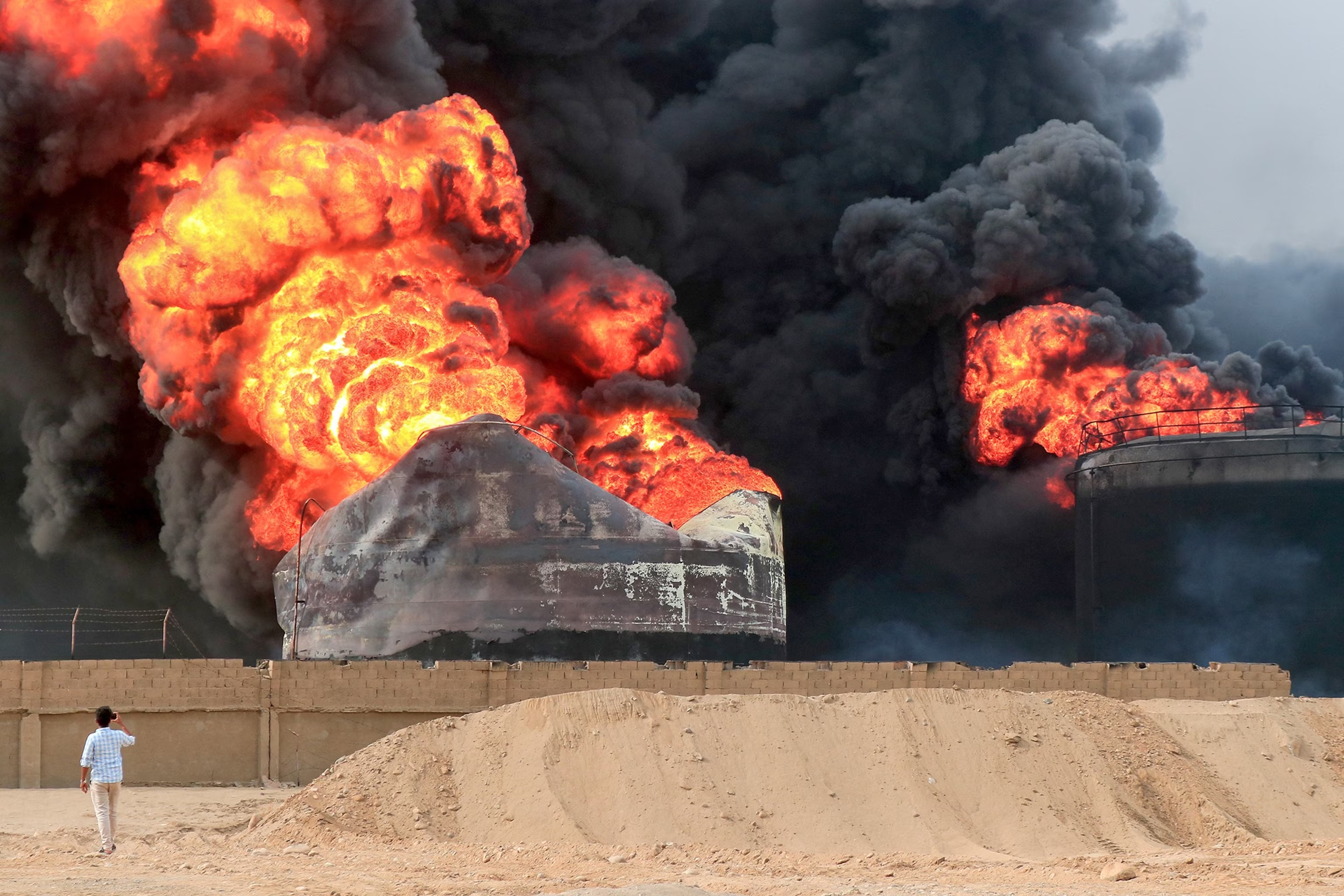
At least 5 Killed and 24 Injured in Shabwa Clashes During STC Protest
Violent clashes erupted in Ataq city, Shabwa province, Yemen on February 11-12, leaving at least five people dead and over 24 injured. The Southern Transitional Council (STC), a separatist movement from the southern region of Yemen, accused local forces of using live ammunition during the confrontation.
The STC protesters took to the streets in response to what they perceived as government overreach and human rights abuses. However, their actions were met with resistance from the Presidential Leadership Council (PLC) forces, who intervened in the clashes to maintain order. This development has further complicated an already volatile situation in Yemen, a country embroiled in a civil war since 2015.
Shabwa province, where the clashes occurred, is a key region in Yemen's Hadhramaut Governorate. Historically, the STC has maintained strong ties with this region, which has been a stronghold for the separatist movement. The PLC, on the other hand, is a rival faction that seeks to maintain control over the central government in Sana'a.
The conflict in Shabwa province has significant implications for neighboring countries, particularly Saudi Arabia and Oman. While Saudi Arabia has provided support to the STC in the past, Omani neutrality has allowed it to navigate this complex situation with relative ease. However, the PLC's intervention may further strain relations between Yemen and its neighbors, potentially drawing in other regional powers to mediate or exacerbate the conflict.
The ongoing instability in Yemen is a reminder that the country's future remains uncertain. As the situation in Shabwa province continues to unfold, it will be crucial for regional powers to engage in diplomatic efforts to find a peaceful resolution to this long-standing conflict. The international community must also consider the humanitarian implications of such conflicts, which often result in significant human suffering and displacement.
In conclusion, the clashes in Ataq city mark a recent escalation in Yemen's ongoing civil war. As tensions continue to rise, it is essential that regional powers and the international community work together to find a peaceful resolution to this conflict, one that prioritizes the well-being of the Yemeni people and promotes stability in the region.