Tigray Conflict: UN Rights Chief Warns of Imminent Danger Amid Escalating Clashes
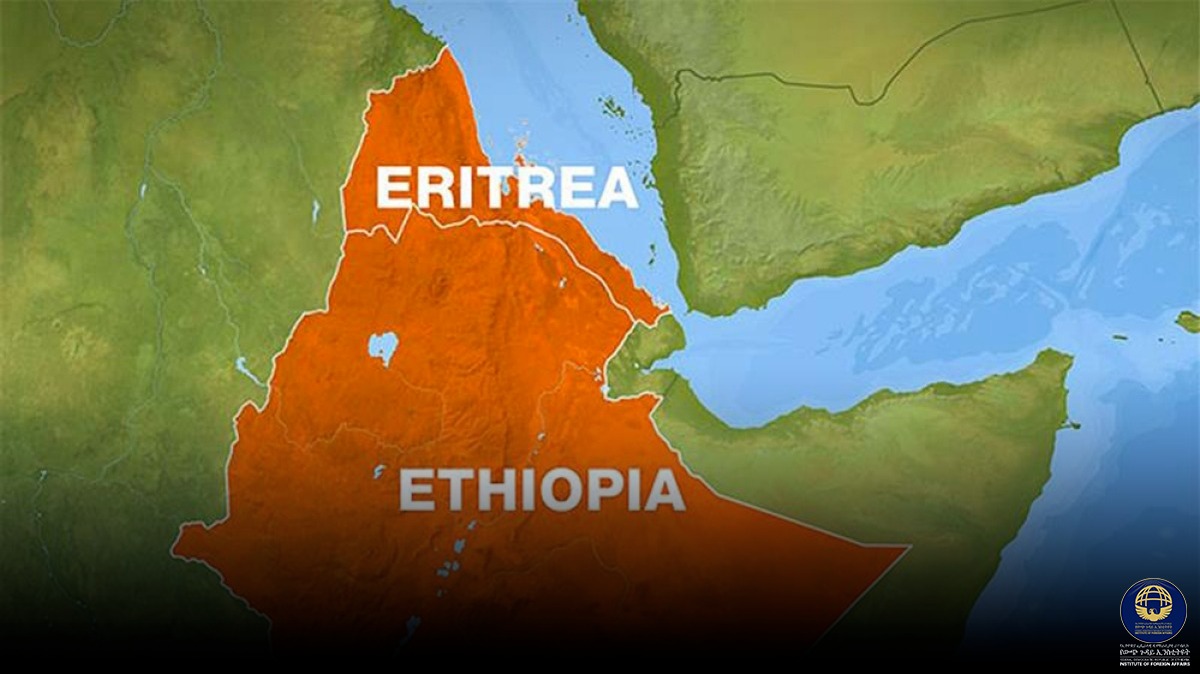
The Horn of Africa has become a hotbed of tension in recent years, with Ethiopia's protracted conflict in Tigray leaving deep scars on the region.
The war, which began in 2018 and flared up again in November 2022, resulted in catastrophic humanitarian consequences, including the displacement of over 1 million civilians and a devastating impact on the country's already fragile economy. The fragile peace in Tigray, forged after a devastating 2022 conflict, hangs precariously in the balance.
Clashes resuming since late January, as warned by UN Rights Chief Volker Turk, are a stark reminder of the unresolved tensions between Ethiopian federal forces and the Tigray Security Forces. The protracted conflict in Tigray has left deep scars on Ethiopia's economy, which was already struggling before the 2022 war.
The devastating humanitarian consequences of the conflict have taken a profound toll on the country. In recent months, the situation in Tigray has grown increasingly dire. A report by the Ethiopian Human Rights Commission documented widespread human rights abuses committed by both sides during the conflict, including arbitrary detention, torture, and extrajudicial killings.
The UN Rights Chief's warnings underscore the urgent need for de-escalation efforts in Tigray. Turk noted that “the situation on the ground is dire” and that “lashes can happen at any moment.” The international community must remain vigilant, as a renewed conflict could have catastrophic consequences for regional stability and global security.
The role of regional powers, such as Eritrea and Amhara, has also been implicated in the conflict. Reports by the Ethiopian Human Rights Commission suggest that Eritrean forces were involved in several instances of human rights abuses during the conflict, including arbitrary detention and torture.
As the situation in Tigray continues to deteriorate, it is essential that all parties involved commit to de-escalation efforts and work towards a peaceful resolution. The international community must also play a critical role in supporting the Ethiopian government's efforts to stabilize the region and promote sustainable peace.
The escalating tensions in Tigray reflect broader global trends of rising nationalism, regionalism, and great power rivalries. The Horn of Africa has become a hotbed of tension, reflecting broader concerns about regional stability and global security. Ethiopia's protracted conflict in Tigray shares commonalities with other regional crises, such as the ongoing crisis in South Sudan.
Both regions face intercommunal clashes, humanitarian strain, and economic hardship, highlighting the need for sustainable peace agreements that prioritize inclusive dialogue and concrete action. The situation in Tigray echoes warnings issued by UN officials about the risks of renewed conflict in the Democratic Republic of Congo's North Kivu region.
A lasting solution will require addressing the root causes of the conflict, including historical grievances, economic disparities, and security concerns. This may involve establishing a more inclusive federal system, promoting economic development in Tigray, and strengthening regional security mechanisms.
The international community must remain vigilant and committed to de-escalation efforts in Tigray. To achieve this, it is essential to prioritize inclusive dialogue and concrete action towards sustainable peace agreements. The Ethiopian government, regional powers, and the international community must work together to address underlying tensions and promote a peaceful resolution.