Ethiopia Accuses Eritrea of Aggression as Tensions Escalate Along Border
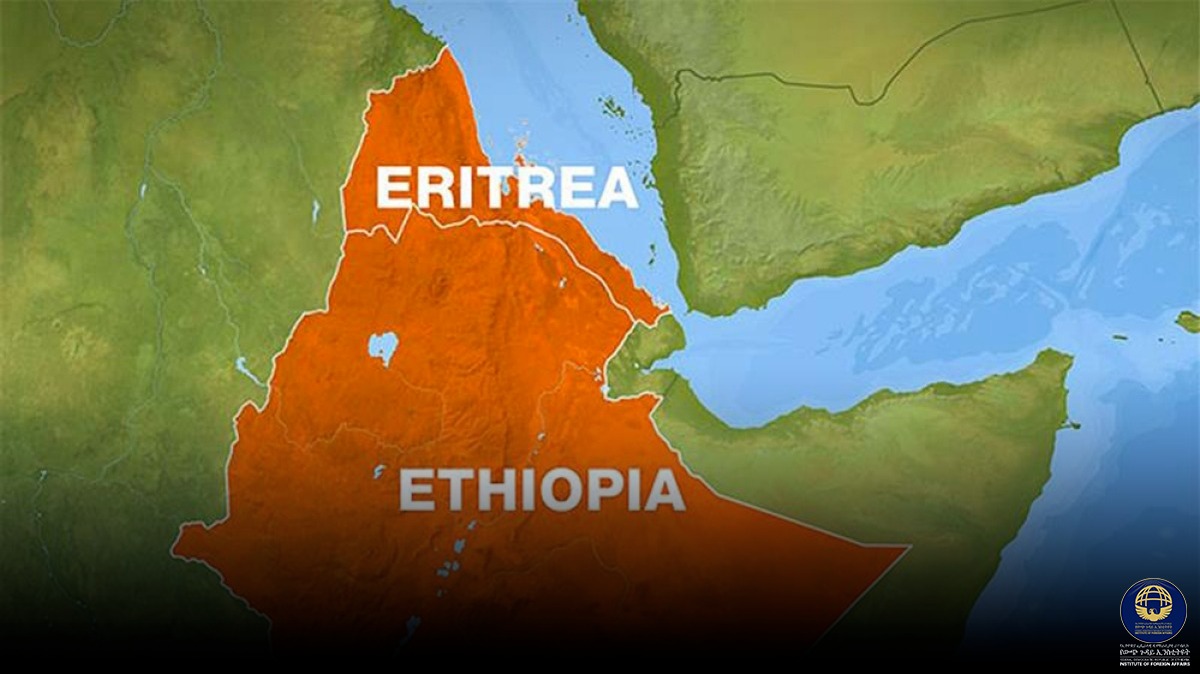
Ethiopia Accuses Eritrea of Aggression, Tensions Escalate in Horn of Africa
Ethiopia has issued a stern warning to its long-time rival Eritrea, accusing it of crossing deep into its territory and committing acts of aggression that have left thousands on high alert. The accusations have sparked a chain reaction of tensions, with both nations deploying their militaries in anticipation of further escalation.
The Horn of Africa has long been a hotbed of geopolitical tension, where ancient rivalries and competing interests simmer just below the surface. The relationship between Ethiopia and Eritrea is no exception, with a complex history of conflict and mistrust that dates back to colonial times.
Whispers of renewed animosity have been circulating, fueled by reports of Eritrean troops massing along Ethiopia's northern border. The situation has taken a turn for the worse in recent days, with Ethiopia accusing Eritrea of crossing deep into its territory and committing acts of aggression that have left thousands on high alert.
Eritrea, a small but strategically located nation in the Horn of Africa, has long been plagued by internal turmoil. Since gaining independence from Ethiopia in 1993, the country has faced numerous challenges, including economic hardship, human rights abuses, and a repressive authoritarian regime led by President Isaias Afwerki.
In recent years, Eritrea has attempted to rebrand itself as a neutral player in regional geopolitics, seeking to distance itself from Ethiopia and its rivalries. However, this attempt at neutrality has been met with skepticism by many in the region, who view Eritrea's actions as a thinly veiled attempt to assert its own interests.
The escalating tensions between Ethiopia and Eritrea have significant implications for regional stability and global security. The situation serves as a microcosm for the complex web of geopolitics in the Horn of Africa, where small nations can have significant impacts on regional stability and global security.
Internationally, the situation has drawn attention from major powers, including the United States, China, and the European Union. The international community must take a proactive role in addressing the tensions between Ethiopia and Eritrea, by engaging in diplomatic efforts to resolve the crisis peacefully.
Ultimately, the future of the Horn of Africa will depend on the willingness of its leaders to put aside their differences and work towards a common goal: regional stability and prosperity. The consequences of failure could be catastrophic, with the potential for widespread conflict, displacement, and human suffering.