Cyclone Gezani Brings Fury to Mozambique: A Nation's Resilience Tested Once Again
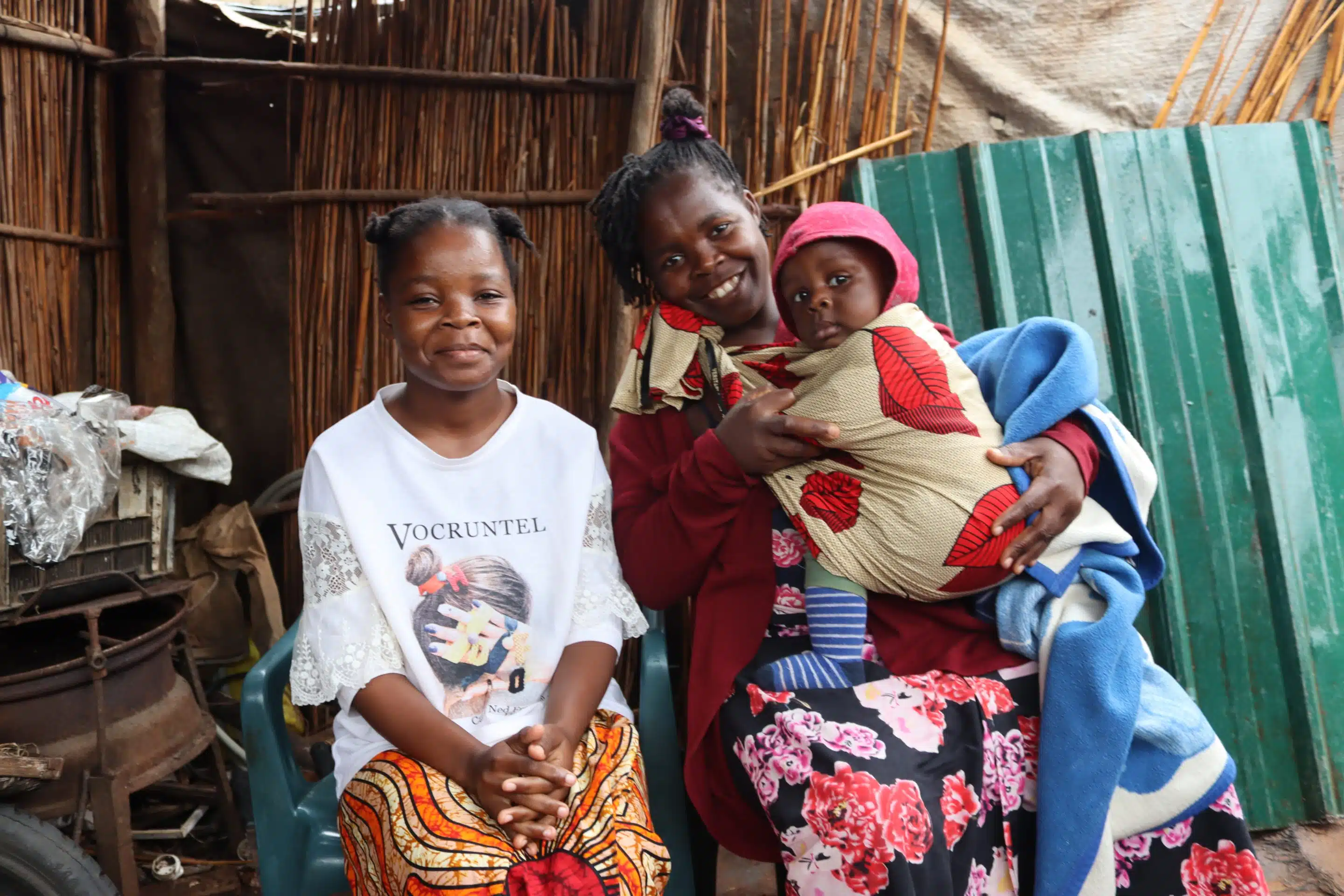
Mozambique Braces for Devastation from Cyclone Gezani
Cyclone Gezani, a powerful storm that has already left destruction in its wake in Madagascar, is now hurtling towards Mozambique Channel. The southern African nation is bracing for another brutal test of its resilience as the cyclone brings winds of up to 250 km/h and torrential rains that threaten to inundate coastal districts.
Mozambique's vulnerability to natural disasters is not a new phenomenon. Its geographical location on the Indian Ocean, which borders Mozambique Island, has long made it susceptible to tropical cyclones and storms. The legacy of colonialism also played a significant role in exacerbating Mozambique's vulnerability to climate-related disasters. The consequences of this legacy can be seen in the aftermath of Cyclone Idai, which struck Mozambique in March 2019.
Despite efforts by the government to improve disaster preparedness and response capabilities, Mozambique remains one of the most vulnerable countries in the world to climate-related disasters. In recent years, the Mozambican government has implemented measures to enhance its disaster resilience, including infrastructure development, early warning systems, and emergency response protocols. However, these efforts have been hampered by poverty, corruption, and governance issues that exacerbate the impacts of climate change.
The approaching Cyclone Gezani serves as a stark reminder of the interconnected nature of global challenges. By examining Mozambique's situation through the lens of broader global trends, we can better understand the complex and far-reaching impacts of climate-related disasters. The country's history, from its colonial past to its struggles with poverty and governance, has shaped its vulnerability to natural disasters.
The Mozambican government's efforts to improve disaster preparedness and response capabilities are mirrored by initiatives being implemented around the world. However, these efforts must be complemented by a broader recognition of the interconnected nature of global challenges. International cooperation is essential in addressing the root causes of climate-related disasters. This includes investing in disaster preparedness and response capabilities, promoting sustainable development and economic growth, and addressing social and economic vulnerabilities of affected communities.
Ultimately, the impact of Cyclone Gezani on Mozambique serves as a stark reminder that climate change is a global challenge that requires a global response. By working together to address this challenge, we can reduce the devastating impacts of natural disasters and create a more resilient and sustainable future for all.