Tanzania-Uganda Leaders Unveil Ambitious Plan to Boost Trade, Infrastructure, and Regional Peace Amid Horn of Africa Tensions
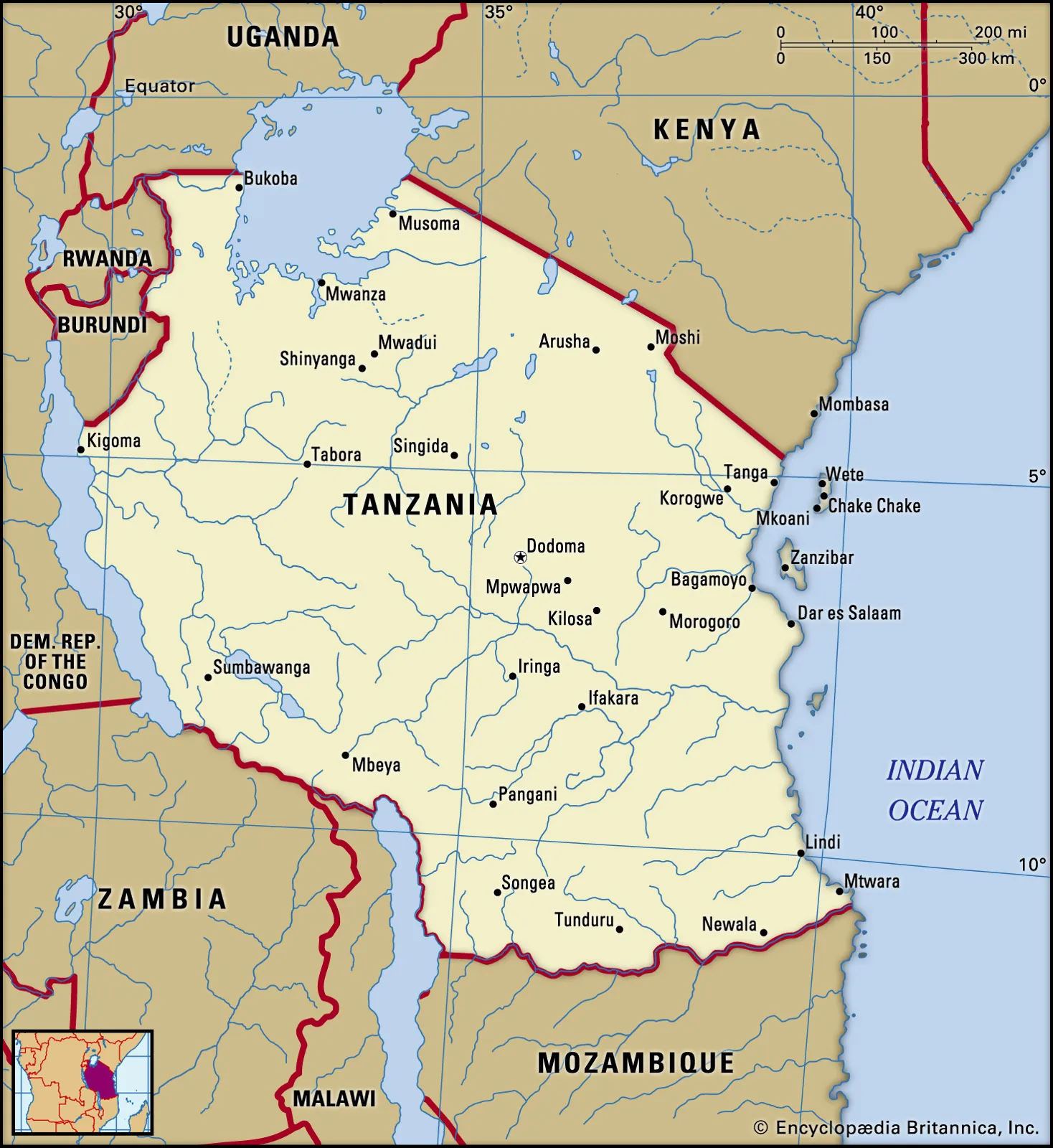
Tanzanian President Samia Suluhu Hassan has taken a significant step towards strengthening bilateral ties with her Ugandan counterpart Yoweri Museveni. The two nations engaged in high-stakes talks in Dar es Salaam on February 7-8, 2026, centered on trade, infrastructure development, and regional peace.
The relationship between Tanzania and Uganda has long been characterized by complex geopolitical dynamics, fueled by historical rivalries and competing interests. Britain's partitioning of German East Africa in the early 20th century created artificial borders that have since contributed to tensions over resources, territory, and influence.
Today, as both countries navigate the challenges of a rapidly changing regional landscape, they are seeking to rekindle cooperation and strengthen ties through initiatives like the $5 billion East African Crude Oil Pipeline (EACOP). The EACOP project has been touted as a flagship joint project between Tanzania and Uganda, with significant implications for regional peace and economic stability.
However, its development has also raised concerns over environmental impact, local community rights, and the distribution of benefits among East African nations. As Tanzanian President Samia Suluhu Hassan and Ugandan President Yoweri Museveni engage in bilateral talks to strengthen cooperation on trade, infrastructure development, and regional peace, they are navigating a delicate balance between national interests, regional politics, and the pursuit of economic prosperity.
The recent tensions in the Horn of Africa have highlighted the need for coordinated regional responses to emerging challenges. Terrorism, piracy, and climate change have become significant concerns in the region, with Somalia being particularly affected. Through bilateral talks and regional forums, Tanzanian President Samia Suluhu Hassan and Ugandan President Yoweri Museveni are working to strengthen cooperation on these critical issues.
The EACOP project has raised concerns over environmental impact, local community rights, and the distribution of benefits among East African nations. However, its development also highlights the need for sustainable development and corporate social responsibility. Tanzania's experience with the EACOP project emphasizes the importance of addressing these concerns in infrastructure development projects.
In light of emerging challenges in the Horn of Africa region, it is essential that Tanzania and Uganda prioritize cooperation on regional peace and security. This can be achieved through increased diplomatic engagement, military cooperation, and economic integration initiatives like the African Continental Free Trade Area (AfCFTA). Furthermore, addressing environmental concerns and ensuring that infrastructure development benefits local communities are crucial for sustainable development and corporate social responsibility.
Looking ahead, Tanzania's engagement with neighboring countries will continue to shape its geopolitical trajectory. The country's efforts to strengthen bilateral ties with Uganda reflect a broader trend towards regional economic integration in Africa. As Tanzania navigates its complex relationship with Uganda, it must also consider its role in the global community, including its contributions to international organizations like the African Union.
The Horn of Africa region has been shaped by historical rivalries and competing interests, fueled by colonial-era Britain's partitioning of German East Africa. Today, as Tanzania and Uganda seek to rekindle cooperation and strengthen ties, they are also acknowledging the need for regional peace and security. Tanzania's recent bilateral talks with Uganda demonstrate the complexities of East African geopolitics. However, they also highlight the potential for cooperation and collaboration among neighboring countries.
As Tanzania navigates its complex relationship with Uganda, it must prioritize cooperation on regional peace and security, address environmental concerns in infrastructure development projects, and strengthen bilateral ties through economic integration initiatives.