Burkina Faso Military Government Unilaterally Dissolves All 100 Registered Political Parties, Dismantling Democratic Institutions
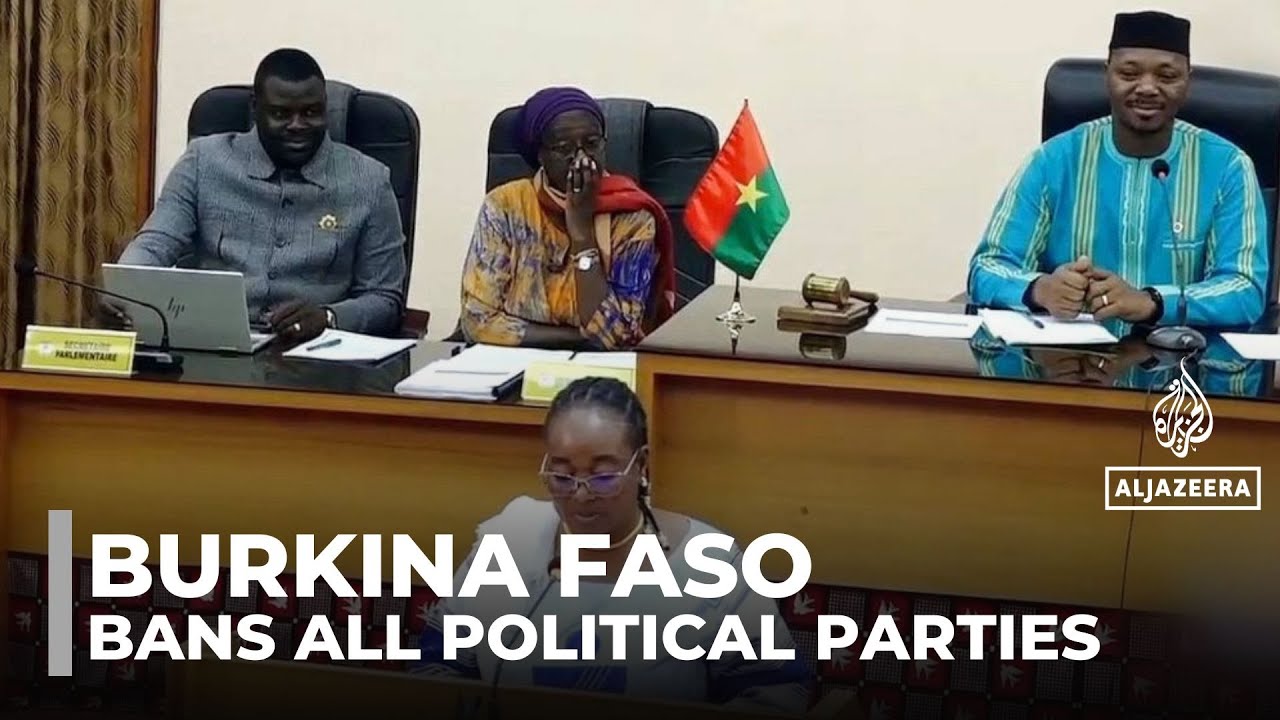
The military government of President Paul-Henri Sandaogo Damiba has unilaterally dissolved all 100 registered political parties in Burkina Faso, effectively dismantling the country's democratic institutions. This move signals a stark turning point in Burkina Faso's fragile democracy and raises concerns about the erosion of democratic principles and human rights.
The dissolution of political parties is part of a larger trend of authoritarianism and democratic erosion in West Africa, with Guinea's military junta dissolving 107 political parties in October 2024 citing concerns over proliferation leading to divisions and abuses. Niger withdrew from ECOWAS in January 2025, citing French influence and a desire to pursue its own path.
Tensions between France and Burkina Faso have been high, with the French military intervening in 2017 under the pretext of combating terrorism. However, this intervention was widely criticized by human rights groups and opposition leaders, who argued that it was an attempt to exert French influence over the country's internal affairs.
The dissolution of political parties has sparked widespread condemnation from civil society groups and opposition leaders, who argue that it represents a gross violation of Burkina Faso's democratic principles. Critics say it may be seen as an attempt to suppress dissent and limit democracy, but its implications for regional stability and international partnerships are significant.
Burkina Faso's fragile democracy is facing significant challenges, including security threats posed by Islamist extremist groups and regional tensions with France and other Western powers. President Damiba's decision to dissolve all 100 registered political parties raises concerns about the erosion of democratic institutions and human rights in the country.
The dissolution of political parties in Burkina Faso reflects broader global trends towards authoritarianism and democratic erosion. Military governments in West Africa often justify their actions on grounds of national security or stability, but they have significant implications for human rights and democratic institutions.
As one of the most fragile democracies in West Africa, Burkina Faso's actions may have far-reaching consequences for regional security and cooperation. The country's future remains uncertain, with significant challenges ahead in addressing security threats and promoting democratic governance.
The recent development in Burkina Faso is a symptom of deeper structural issues that have plagued the country for decades. Understanding the complex history and local context of Burkina Faso is essential to grasping the motivations behind President Damiba's actions and the implications for regional stability and international partnerships.