Storm Marta Brings Torrential Rains to Andalucía, Sparking Fears of Dam Bursts and Devastating Consequences
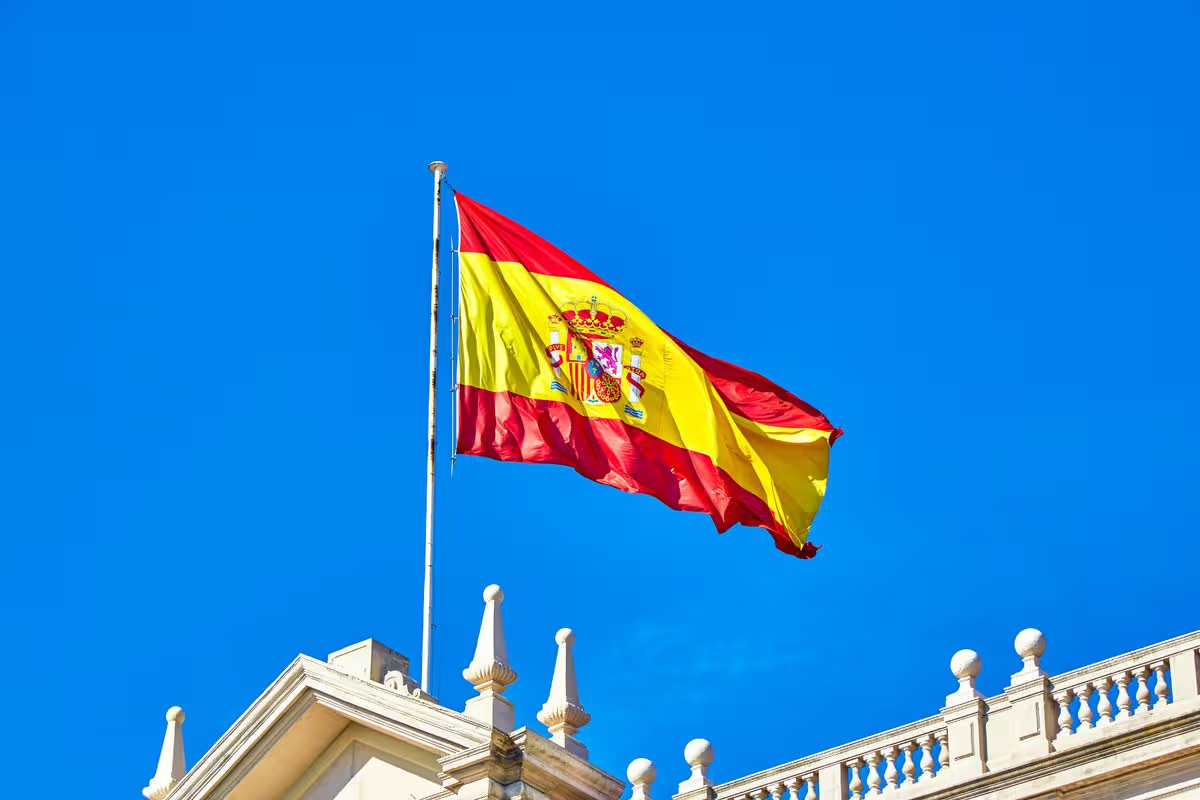
Spain Faces Devastating Consequences of Storm Marta's Fury
The recent evacuation of nearly 11,000 residents across Andalucía serves as a stark reminder of Spain's struggle to mitigate the impacts of climate change. The region has long been plagued by drought and desertification, but this latest storm has brought torrential rains that have awash the mountains with water, threatening to unleash devastating consequences on the communities that call them home.
The Los Caballeros dam in Montejaque has been hit by tremors and roaring noises, prompting fears that it could burst at any moment. A 2019 study published in the Journal of Hydrology found that the dam's foundation is located on a fault line, making it prone to seismic activity. The study highlighted the need for increased monitoring and maintenance of the dam to mitigate this risk.
The Los Caballeros dam is not an isolated incident. In recent years, Spain has experienced a series of devastating wildfires, including the 2018 Valencia wildfires, which burned over 28,000 hectares of land and forced the evacuation of thousands of residents. The fires were exacerbated by strong winds, drought, and human activity, highlighting the need for improved forest management and emergency preparedness.
The current climate crisis is also placing a strain on Spain's water resources. A 2020 report by the European Environment Agency found that Southern Europe is facing a growing crisis of water scarcity, with many countries struggling to meet their water needs. Spain's reliance on imports from neighboring countries has raised concerns about its ability to manage this challenge.
As Prime Minister Pedro Sánchez visits affected areas, the international community is watching with bated breath. The European Union's efforts to address the growing crisis of water scarcity in Southern Europe are being put to the test, and Spain will need to demonstrate its commitment to climate action if it hopes to balance its economic recovery with the growing urgency of addressing this challenge.
The situation reflects a broader global trend of increasing extreme weather events, water scarcity, and infrastructure challenges. The frequency and intensity of these events are on the rise worldwide, with the past decade being the hottest on record. This is consistent with climate change projections, which suggest that the global average temperature will continue to rise throughout the 21st century.
Ultimately, Spain's response to this crisis will serve as a model for other countries facing similar challenges. As the European Union continues to grapple with its own water scarcity challenges, Spain's situation underscores the need for collective action and cooperation in addressing these pressing issues.