Mozambique Floods: Over 724,000 Displaced in Devastating Crisis
Mozambique's Flood Crisis Exposes Nation's Resilience and Vulnerability
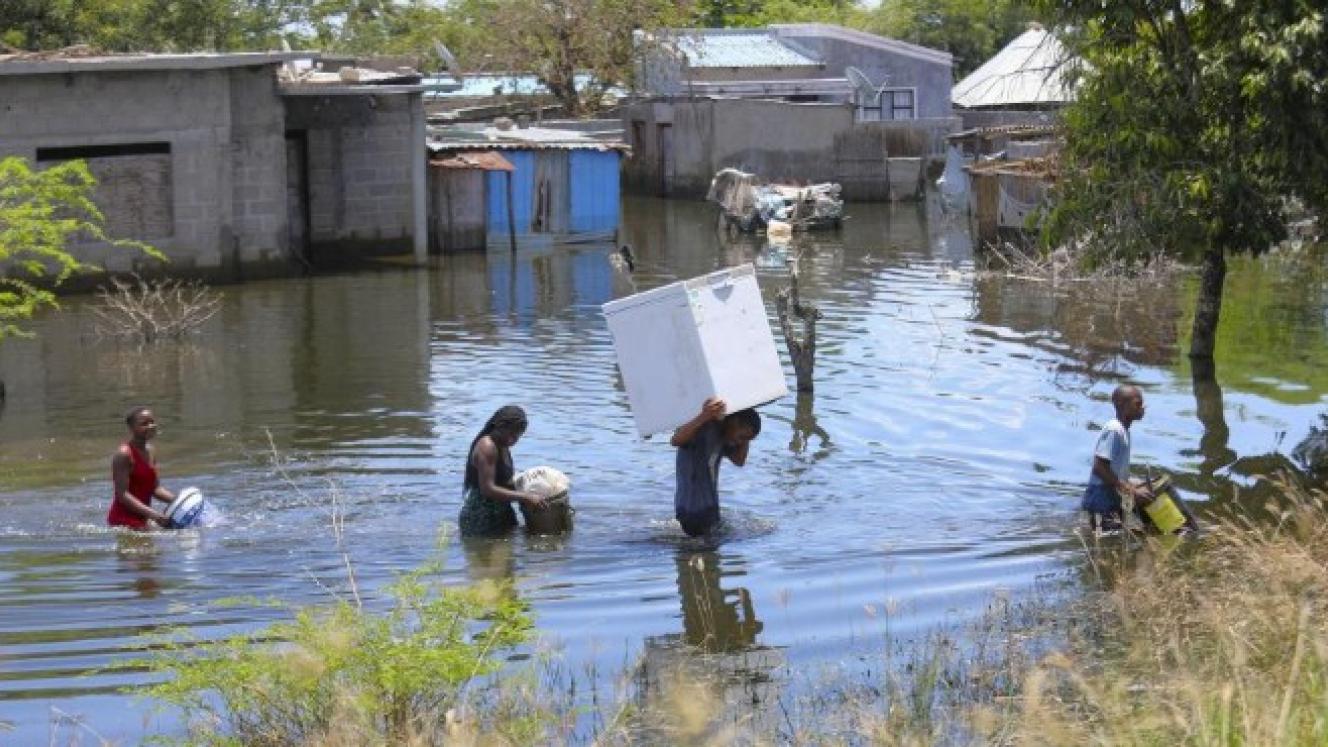
The floods that have ravaged central and southern regions of Mozambique have left over 724,000 displaced people, revealing the true toll on the nation. The country's unique geography and history have shaped its approach to disaster management, but the scale of this crisis is being revealed.
Mozambique's fight for independence, led by figures such as Samora Machel, was in part a struggle against European occupation and the need to forge a new path forward. Today, as the nation grapples with the aftermath of devastating floods, it is clear that its history of resilience will be tested like never before.
The flooding has left 181,600 homes affected, according to a report by the International Network for Disaster Reduction (INGD) on February 5, 2026. Entire communities have been displaced from their homes, leaving families without access to basic necessities like food, water, and shelter. The impact of these floods is not only felt in terms of displacement but also in terms of economic loss.
A report by the Mozambican government estimates that the damage to roads, bridges, schools, and health units is significant, with losses estimated at over $1 billion (Mozambique Government Report, February 10, 2026). This highlights the need for effective disaster response strategies, not only to mitigate the immediate impacts of natural disasters but also to prevent long-term economic and social damage.
Climate change is a major driver of this crisis, with rising sea levels, increased precipitation, and more frequent heavy rainfall events contributing to the devastating floods. The powerful 7.7 magnitude earthquake in Myanmar, which caused widespread destruction and displacement, is another example of the devastating impact of climate-related disasters.
The international community must work together to provide effective support that addresses the root causes of this crisis and builds resilience for the future. This requires a coordinated effort, involving both short-term humanitarian assistance and long-term development support. By understanding the local context and recent developments in Mozambique, we can work towards providing support that is tailored to the country's specific needs.
Mozambique's flood crisis serves as a reminder of the importance of international cooperation in addressing humanitarian crises. The response will require a nuanced understanding of Mozambique's unique geography, history, and current situation, as well as a commitment to addressing climate change and promoting sustainable development.
The devastating floods in Mozambique are part of a larger narrative of global displacement and disaster management. Climate change is expected to increase the frequency and severity of extreme weather events globally, displacing communities across the globe. The October 2025 floods in Mexico affected over 300,000 people, while the severe flooding in Southern Chad displaced at least 720,000 people.
The global response to Mozambique's flood crisis must take into account these trends and challenges. By doing so, we can work towards providing effective support that addresses the root causes of disaster management and builds resilience for the future.
Mozambique's situation reflects the broader global trend of urbanization and its impact on disaster management. As more people move to urban areas, they become more vulnerable to natural disasters such as floods, landslides, and storms. The severe flooding in Malawi, which affected over 35,758 households (approximately 160,000 people), underscores this need.
The African Union's Agenda 2063 emphasizes the importance of disaster risk reduction and management as part of its development agenda. The Southern African Development Community has established a regional framework for disaster management, which aims to enhance regional cooperation and coordination in responding to natural disasters.
In conclusion, Mozambique's flood crisis serves as a stark reminder of the country's history of resilience in the face of adversity. From its struggle for independence to its current struggles with climate change, Mozambique has consistently demonstrated its capacity to withstand natural disasters. However, the scale and severity of this crisis underscore the need for effective disaster response strategies and long-term development support.