Haiti Teeters on Brink of Chaos as Transitional Council's Mandate Expires
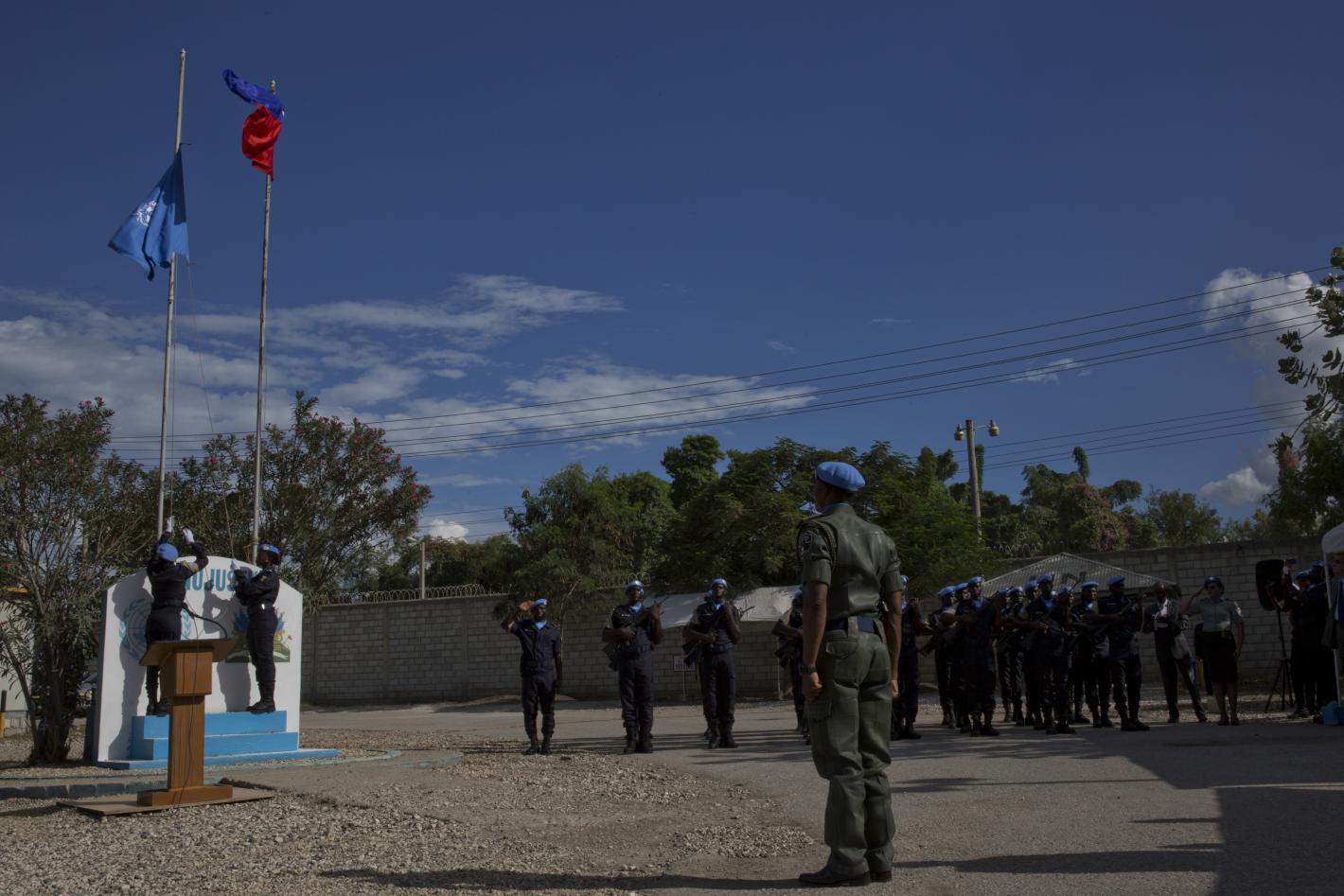
Haiti Teeters on Brink of Political Chaos as Transitional Council's Mandate Expires
The sun sets on another tumultuous day in Haiti, casting a shadow over the country's future. The island nation teeters on the brink of political chaos, its progress stalled by two years of gridlocked politics and escalating gang violence.
Haiti stands at a crossroads in its long history of struggle for sovereignty and democracy. The island's complex web of colonial, imperial, and post-colonial influences has left an indelible mark on its politics and society. From the Haitian Revolution's triumphs over Napoleon's forces in 1804 to the US occupation's imposition of a puppet government in the early 20th century, Haiti's experience with foreign intervention has been marked by a recurring theme: the intersection of internal and external dynamics shaping the nation's fate.
Today, as Fils-Aimé navigates the treacherous landscape of opposition parties, rival claimants, and domestic stakeholders vying for influence, it is essential that he addresses the root causes of Haiti's instability. This will require a comprehensive solution that not only tackles corruption but also fosters inclusive governance, promotes economic development, and addresses the needs of Haitian citizens.
Haiti's current political limbo has far-reaching implications for global stability. The island nation's struggle with corruption, infighting among politicians, and escalating gang violence serves as a microcosm for broader issues affecting many countries around the world. The rise of populist and authoritarian leaders globally highlights the challenge of balancing democratic principles with the will of the people.
The international community's response to Haiti's crisis also reflects a broader trend. The United States' deployment of warships to Haiti, coupled with visa revocations for government officials, raises questions about the limits of external intervention in domestic affairs. This approach has been seen in other countries, including Venezuela and Nicaragua, where Western powers have used economic sanctions and diplomatic pressure to influence domestic politics.
Furthermore, Haiti's experience with gang violence highlights the growing threat of organized crime globally. The spread of gangs from Port-au-Prince to other cities in the Caribbean and beyond underscores the need for a coordinated international response to address the root causes of this phenomenon.
In terms of global governance, Haiti's struggle with corruption and institutional weakness serves as a reminder of the importance of promoting good governance and the rule of law. The country's experience with transitional councils and ad hoc institutions highlights the challenges of establishing effective and sustainable governance structures in post-conflict environments.
The COVID-19 pandemic has also exposed weaknesses in global governance, including Haiti's. The country's slow response to the crisis was exacerbated by the lack of effective healthcare infrastructure and institutional capacity. This highlights the need for greater investment in public health systems and disaster preparedness around the world.
Finally, Haiti's situation reflects broader trends in migration and refugee flows globally. The country's history of instability and violence has driven hundreds of thousands of people to flee their homes, many of whom are now seeking asylum in other countries. This underscores the need for more effective international cooperation on migration and refugee issues.
Ultimately, only a comprehensive solution that addresses these root causes will allow Haiti – and other countries like it – to break free from cycles of crisis and transition towards more stable and prosperous futures. The international community must work with Haitian leaders to prioritize reforms, including inclusive governance structures, transparent decision-making processes, and effective security sector management.
By working together, both domestically and internationally, Haiti can create a brighter future for its citizens, one that is built on the principles of democracy, accountability, and sustainable development.