Kyrgyzstan and EU Take Key Steps Towards Deepening Economic Ties Amid Regional Shifts
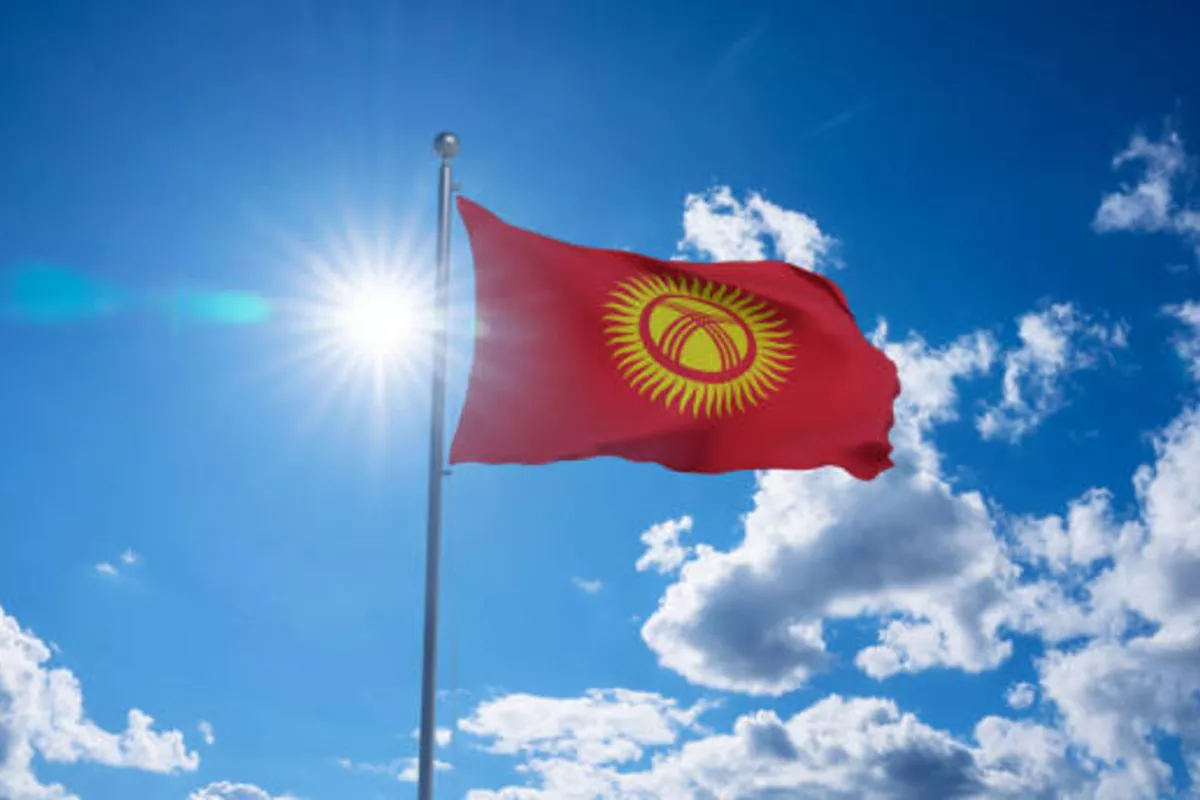
The Kyrgyzstan-EU Subcommittee on Cooperation held its seventh meeting in Bishkek on February 6, 2026, marking a significant step towards deepening economic ties between the two sides.
The meeting discussed key areas such as infrastructure development, investment priorities, and the Global Gateway initiative. Kyrgyzstan's strategic location at the crossroads of Europe and Asia has made it an attractive partner for investors seeking to tap into the region's vast natural resources. The country's National Strategy for Sustainable Development, adopted in 2019, highlights its efforts to improve energy efficiency, enhance transportation networks, and promote sustainable agriculture.
The EU's Global Gateway initiative is another key area of focus for the relationship. Launched in 2020, this project aims to enhance connectivity in Central Asia by upgrading transportation infrastructure, promoting trade, and supporting sustainable development. Bishkek has been actively exploring new avenues for economic engagement with major powers in recent years.
In 2022, Kyrgyzstan signed a strategic partnership agreement with China, which includes investments in energy, transportation, and infrastructure development. While this partnership has significant economic benefits for the country, it also raises concerns about Beijing's increasing influence in Central Asia. In response to these shifting dynamics, Kyrgyzstan is seeking to diversify its relationships with major powers and reduce its dependence on regional partners like China and Russia.
The EU-Kyrgyzstan relationship presents an opportunity for Bishkek to enhance connectivity in Central Asia and promote sustainable development. Countries such as Tajikistan, Uzbekistan, and Mongolia are also seeking to deepen their economic ties with major powers. Kyrgyzstan must navigate complex geopolitical dynamics, including China's growing influence in Central Asia, to ensure long-term economic sustainability.
By prioritizing regional cooperation and sustainable development, the country can secure a more stable future and promote economic growth in Central Asia.