Colombia's Highest Court Blocks Petro's Economic Emergency Declaration Amid US Influence
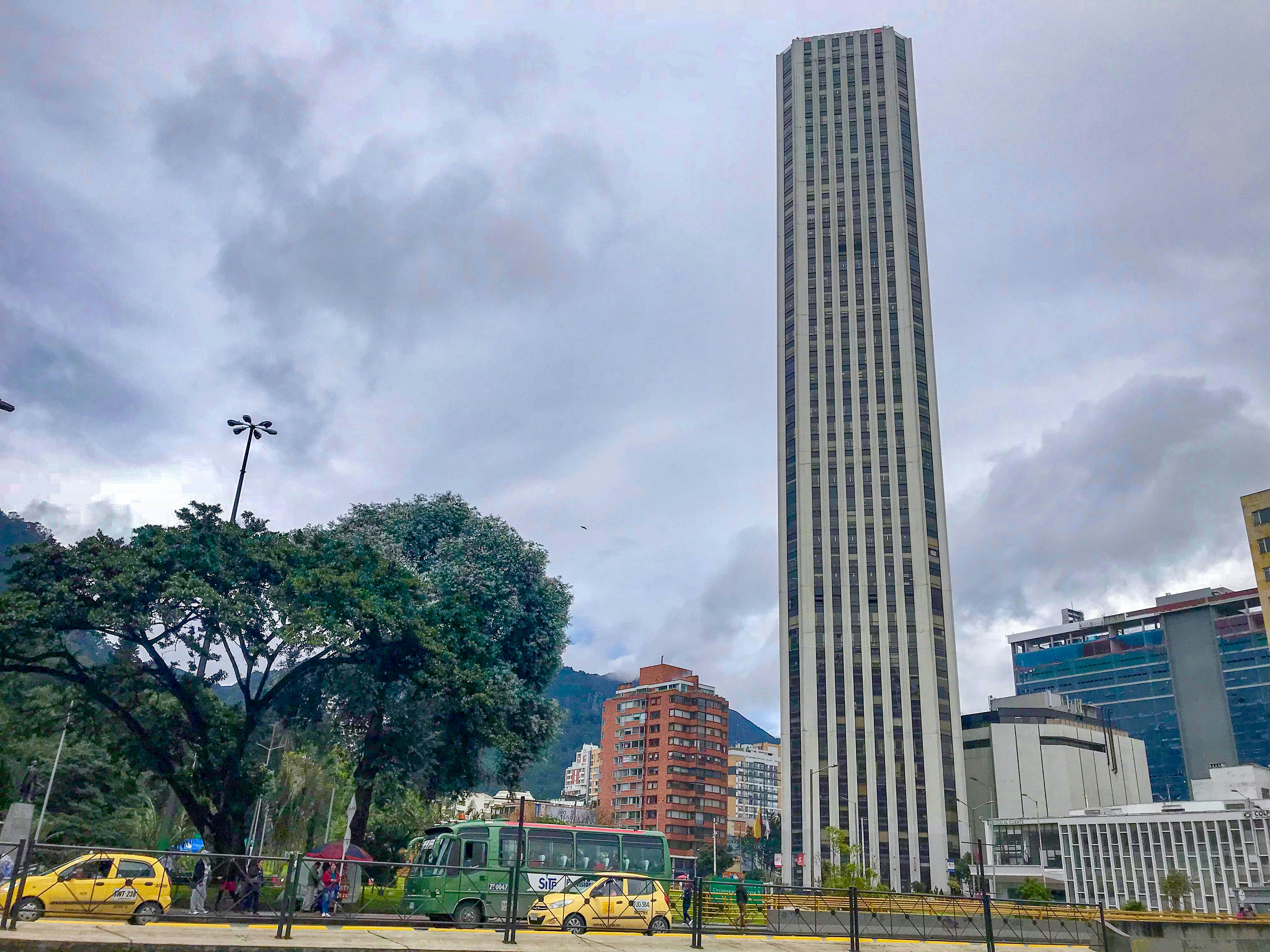
The Colombian Supreme Court has blocked President Gustavo Petro's historic declaration of an economic emergency, which would have given minimum wage workers their first-ever pay raises of up to COP $2,000,000. The ruling sends shockwaves throughout the country, echoing a long-standing theme of US influence in Colombian politics and economy.
This development is not an isolated incident but rather part of a broader narrative that highlights the complexities of Colombia's relationship with its northern neighbor. The country's struggles and successes serve as a microcosm for the challenges facing countries around the world, reflecting and influencing the world at large by highlighting the complexities of globalization, corporate influence, US-Latin America relations, economic inequality, climate change, and global governance.
The recent ruling on the economic emergency declaration highlights the influence of multinational corporations operating in Colombia, which often rely on historical relationships with the U.S. government to secure concessions and favorable treatment. This phenomenon is not unique to Colombia but is a global trend that reflects the increasing power of corporate interests in shaping public policy.
US-Latin America relations reflect the broader dynamics of power and influence between the Colombian government, business interests, and civil society. The ongoing struggle for power and influence between these stakeholders highlights the need for more inclusive and equitable policies that address the needs of all Colombians.
The country's stance on climate change and environmental governance serves as a model for other nations. Colombia's decision to cancel joint oil extraction ventures with Occidental Petroleum due to environmental concerns highlights the growing importance of these issues in international relations. As countries grapple with the challenges of globalization, corporate influence, US-Latin America relations, economic inequality, climate change, and global governance, it is essential to recognize the need for more effective mechanisms to ensure accountability and transparency.
Colombia's experience highlights the importance of strengthening global institutions, such as the United Nations, and promoting international cooperation on key issues. In conclusion, the recent ruling by Colombia's Corte Constitucional blocking President Gustavo Petro's economic emergency declaration serves as a reminder of the need for more inclusive, equitable, and sustainable policies that address the needs of all people.
By examining Colombia's struggles and successes, we can gain a deeper understanding of the challenges facing countries around the world. To address these challenges, it is essential to recognize the need for more inclusive and equitable policies that address the needs of all Colombians. This includes strengthening global institutions, promoting international cooperation on key issues, addressing economic inequality and labor rights, and fostering more constructive and collaborative relationships between the United States and Latin American countries.
By working together to create a more just, equitable, and sustainable world for all people, we can ensure that policies are grounded in international law and promote greater accountability and transparency.