Cabo Verde at a Crossroads: PM Correia e Silva Urges Hard Work to Drive Economic Growth
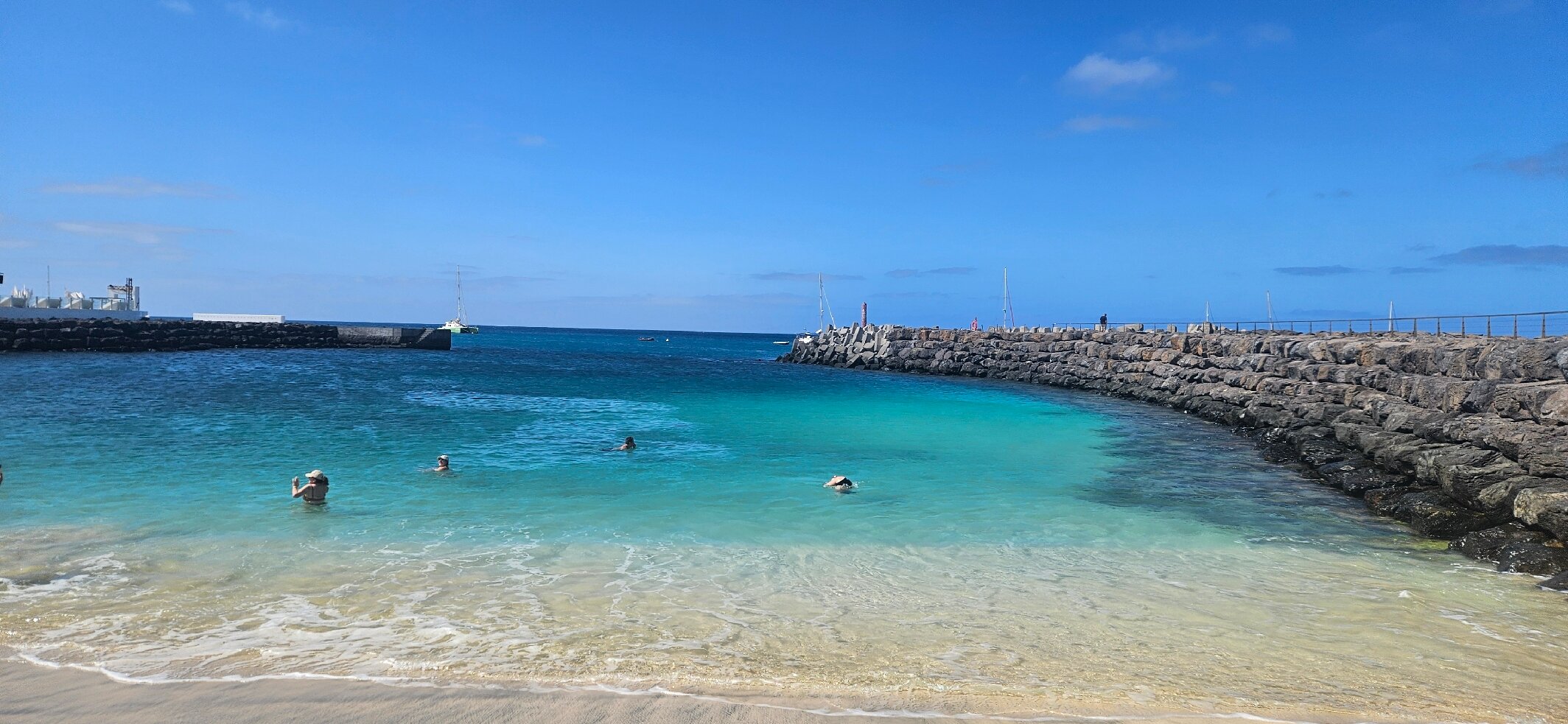
Cabo Verde poised at critical juncture as Prime Minister Correia e Silva visits Brava
As the sun rises over the vast expanse of the Atlantic Ocean, Cape Verde stands as a testament to the complex dynamics of history, culture, and geopolitics that have shaped the island nation. Located off the coast of West Africa, Cabo Verde has long been a strategic crossroads for European, African, and American powers, with various empires and colonial powers vying for control over its fertile lands and rich resources.
The legacy of this complex past is still palpable in modern-day Cape Verde, where issues of identity, sovereignty, and economic development continue to simmer beneath the surface. Today, as Prime Minister Ulisses Correia e Silva embarks on a visit to Brava, one of the island's most populous and economically vibrant communities, the nation is poised at a critical juncture.
The European Union's ongoing efforts to establish a new framework for African-EU relations, coupled with Portugal's efforts to strengthen ties with its former colonies, have created an environment in which Cape Verde must navigate competing interests and priorities. With a growing economy and a population increasingly looking towards the future, Prime Minister Correia e Silva's message of hard work resonates deeply with the people of Brava.
However, the challenges facing Cabo Verde are complex and multifaceted, requiring a comprehensive approach that addresses issues of economic development, social cohesion, and democratic governance. The recent appointment of Dr. Jose Luis Sá Nogueira as the new Minister of Tourism and Transport reflects the growing recognition of the importance of sustainable tourism growth and air connectivity in driving economic development.
The country's strategic location at the crossroads of Europe, Africa, and South America presents numerous opportunities for cooperation and investment, but also requires a deep understanding of the complex geopolitical landscape in which it operates. Prime Minister Correia e Silva's emphasis on hard work and industriousness serves as a crucial reminder of the importance of economic development and social cohesion.
As Cabo Verde looks to the future, it is clear that the challenges facing the nation will be significant, but also filled with opportunities for growth and development. The story of Prime Minister Ulisses Correia e Silva's visit to Brava highlights the complex interplay between economic development, globalization, and governance in Africa.
The European Union's efforts to establish a new framework for African-EU relations have created an environment in which countries like Cabo Verde must adapt to changing global dynamics. The recent appointment of Dr. Jose Luis Sá Nogueira as the new Minister of Tourism and Transport reflects this trend, with sustainable tourism growth and air connectivity emerging as key drivers of economic development.
However, the challenges facing Cabo Verde are also underscored by the ongoing efforts of authoritarian leaders in Africa to maintain control and consolidate power. The visit of President Museveni to Arua, where he called on residents to unite behind the National Resistance Movement (NRM) and promised further development initiatives, reflects this trend.
In contrast, the growing recognition of the importance of social cohesion is highlighted by the recent appointment of Liberia's labor minister, Cllr. Cooper W. Kruah, who is pushing for reconciliation and improved cooperation between workers, employers, and government. This challenge is being faced by countries across the continent, from South Africa to Uganda.
As Cabo Verde navigates its relationships with the EU and other global powers, it is essential that the country continues to develop its human capital, invest in infrastructure, and promote economic diversification. The recent comments made by Prime Minister Kamla Persad-Bissessar on CARICOM's need for urgent transformation and reform highlight the challenges faced by regional organizations in responding to changing global dynamics.
In conclusion, the story of Prime Minister Ulisses Correia e Silva's visit to Brava serves as a poignant reminder of the complex geopolitical landscape that Cabo Verde must navigate. The country's future outlook is filled with challenges and opportunities, requiring a comprehensive approach that addresses issues of economic development, social cohesion, and democratic governance.