Turkmenistan to Diversify Economy as IMF Outlines 2026 Cooperation Priorities
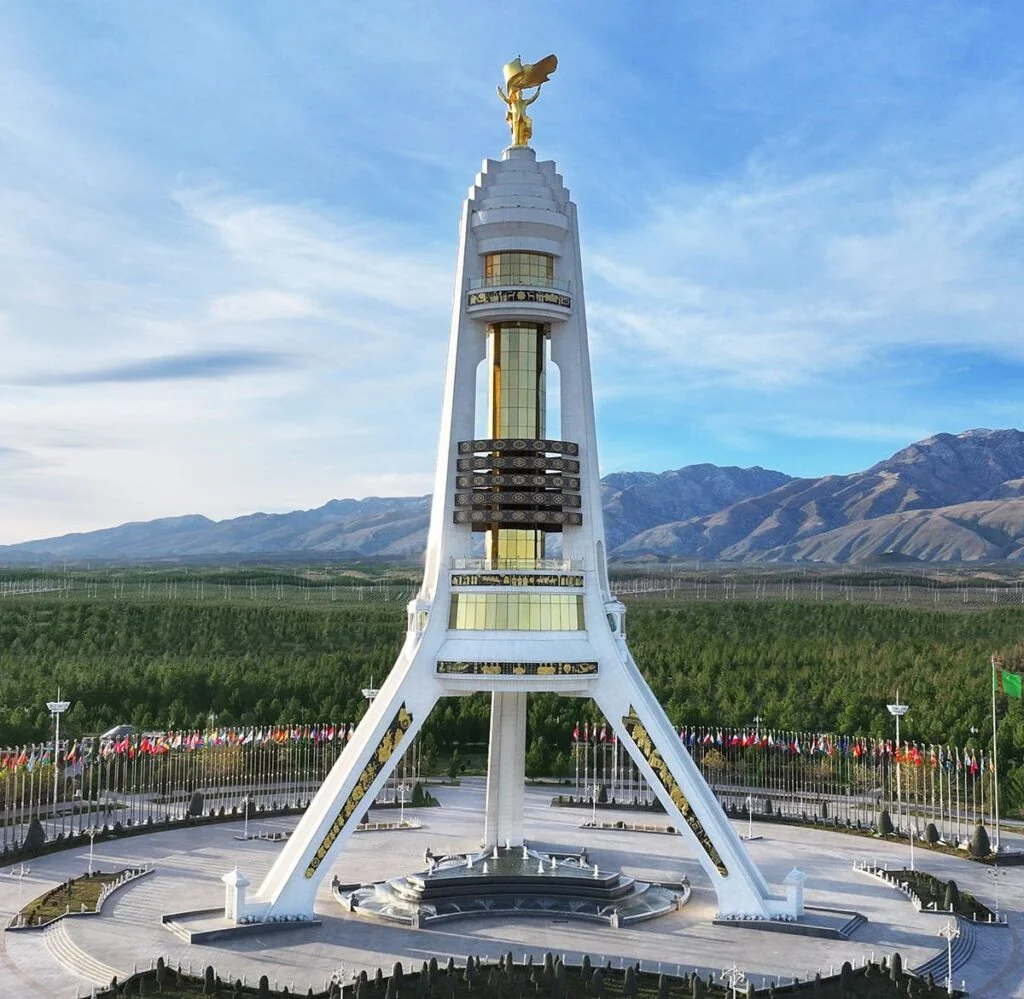
Turkmenistan Seeks Sustainable Future Amid Shifting Global Economic Landscape
The International Monetary Fund (IMF) has reaffirmed its commitment to a multi-faceted partnership with Turkmenistan, signaling a new chapter in the country's efforts to diversify its hydrocarbon-driven economy and build a more sustainable future. As the world grapples with shifting economic power dynamics, Central Asia finds itself at the crossroads of history once again.
The region has long been a critical nexus for trade and energy routes, connecting Europe and Asia through a complex web of pipelines, roads, and sea lanes. However, the region's dynamics are rapidly evolving, driven by the ascendance of China, Russia, and other global powers. As Turkmenistan looks to strengthen its economic ties with the IMF, it must navigate this shifting landscape while also confronting pressing domestic challenges.
The 2026 cooperation priorities outlined by IMF mission head Anna Bordon represent a crucial step in this process, promising to reshape Turkmenistan's fiscal policies and structural reforms in the years to come. This development reflects the broader global trend of shifting economic power dynamics, where countries like China and Russia are increasingly asserting their influence in Central Asia.
Turkmenistan's unique blend of Soviet legacy and authoritarian resilience has allowed it to maintain a degree of stability, but also perpetuates a dependence on hydrocarbon exports that is both a blessing and a curse. The country's history has been shaped by the Soviet Union's extensive network of infrastructure projects, which continue to influence the region's politics and economy today.
However, this legacy also underscores the importance of diversifying Turkmenistan's economy, a challenge that the IMF's 2026 cooperation priorities aim to address. China's growing influence in the region has created new opportunities for investment and trade, but also raises concerns about debt and sustainability.
The partnership between Turkmenistan and Russia, as well as the country's growing economic ties with China, highlight the complex web of regional dynamics that are shaping Central Asia's future. The region is increasingly becoming a critical nexus for global energy routes, trade corridors, and investment flows, reflecting the broader trend of globalization and regional interconnectedness.
As countries like Turkmenistan look to build a more sustainable future, they must balance their economic growth ambitions with their commitment to reducing carbon emissions and mitigating climate change. The IMF's 2026 cooperation priorities provide a crucial framework for addressing pressing domestic challenges, such as macroeconomic stability, structural reforms, and governance.
In conclusion, the IMF's 2026 cooperation priorities with Turkmenistan reflect a broader global trend of shifting economic power dynamics, climate resilience, and regional interconnectedness. As Central Asia continues to evolve, its situation will have significant implications for global trends in energy security, trade and investment flows, and climate change mitigation.