Northeast Syria on Brink of Peace: Historic Agreement Paves Way for Withdrawal of Kurdish Forces
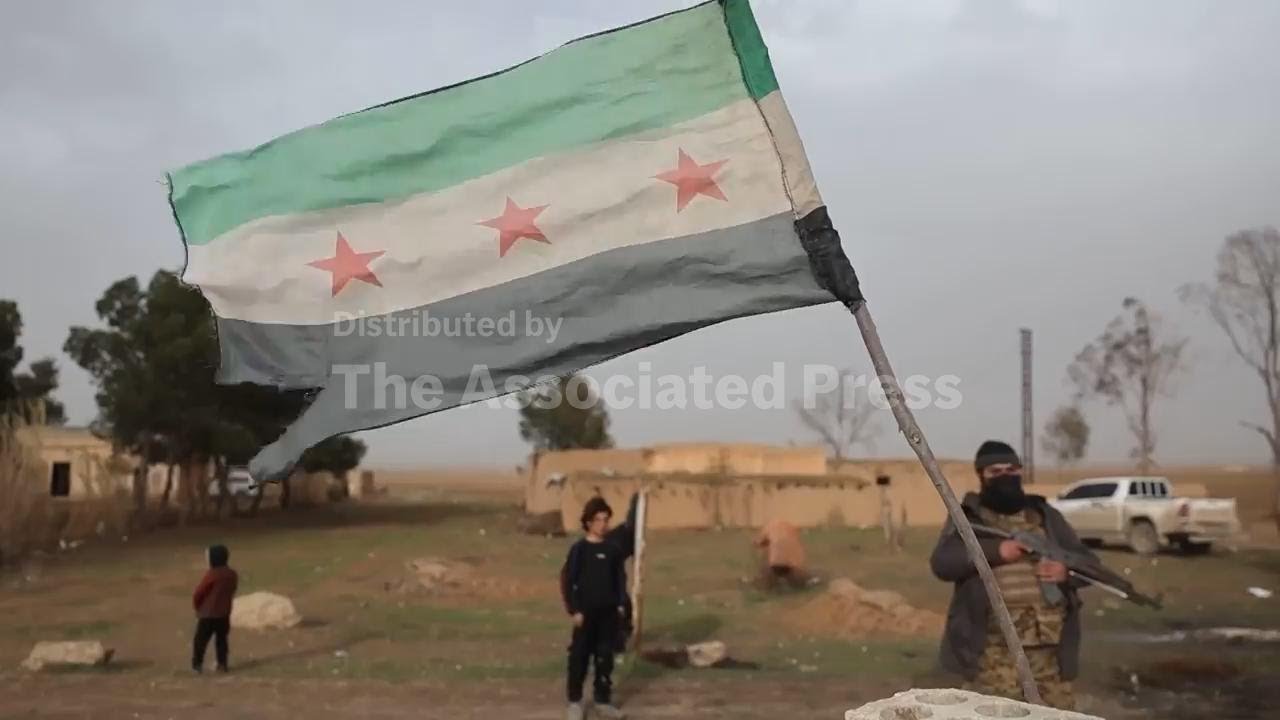
The agreement implementation in Northeast Syria marks a significant shift in the region's geopolitics, setting the stage for a fragile peace to take hold. The Syrian Democratic Forces (SDF), which has long been the dominant force in the region, will be relinquishing control of territory to the government of Syria.
The SDF's control of Northeast Syria was largely dependent on its relationship with the United States, but the withdrawal of US forces from the region in October 2020 left the SDF facing significant challenges to its control. The Turkish military's incursion into Northeast Syria in October 2019, which resulted in the displacement of hundreds of thousands of people and the killing of over 1,000 civilians, further complicated the already complex power dynamics in the region.
The agreement reached between the SDF and the government of Syria, facilitated by Russia, is a significant step towards stabilizing the region. While the agreement marks a major turning point in the conflict, its long-term viability remains uncertain. The restored state control over territory previously controlled by Kurdish-led forces will likely have significant implications for the local population.
Geopolitically, the situation in Northeast Syria reflects the ongoing great power competition between Russia and the United States, particularly in the Middle East. This development has significant implications for regional stability, as both powers vie for influence in the region. Proxy warfare is another significant trend at play in Northeast Syria, with Russia and Iran seeking to fill the power vacuum created by the withdrawal of US forces.
The situation in Northeast Syria also highlights the growing importance of international mediation in regional conflicts. The Syrian Peace Talks Commission's facilitation of the ceasefire agreement is a prime example of this trend, which has significant implications for resolving complex regional disputes and promoting stability.
Looking to the future, the fragile peace that has been established in Northeast Syria will likely face significant challenges in the coming months. Empowering local governance and state-building efforts, such as those reflected in the restored state control over territory previously controlled by Kurdish-led forces, is critical to building resilience and promoting long-term stability.
Ultimately, the situation in Northeast Syria serves as a reminder of the ongoing complexities and challenges facing the Middle East. As global powers navigate regional dynamics, they must prioritize diplomacy, cooperation, and stability-building efforts to ensure that conflicts like this do not repeat themselves in the future.