Argentina and US Unveil Landmark Trade Deal to Boost Bilateral Ties and Revitalize Economy
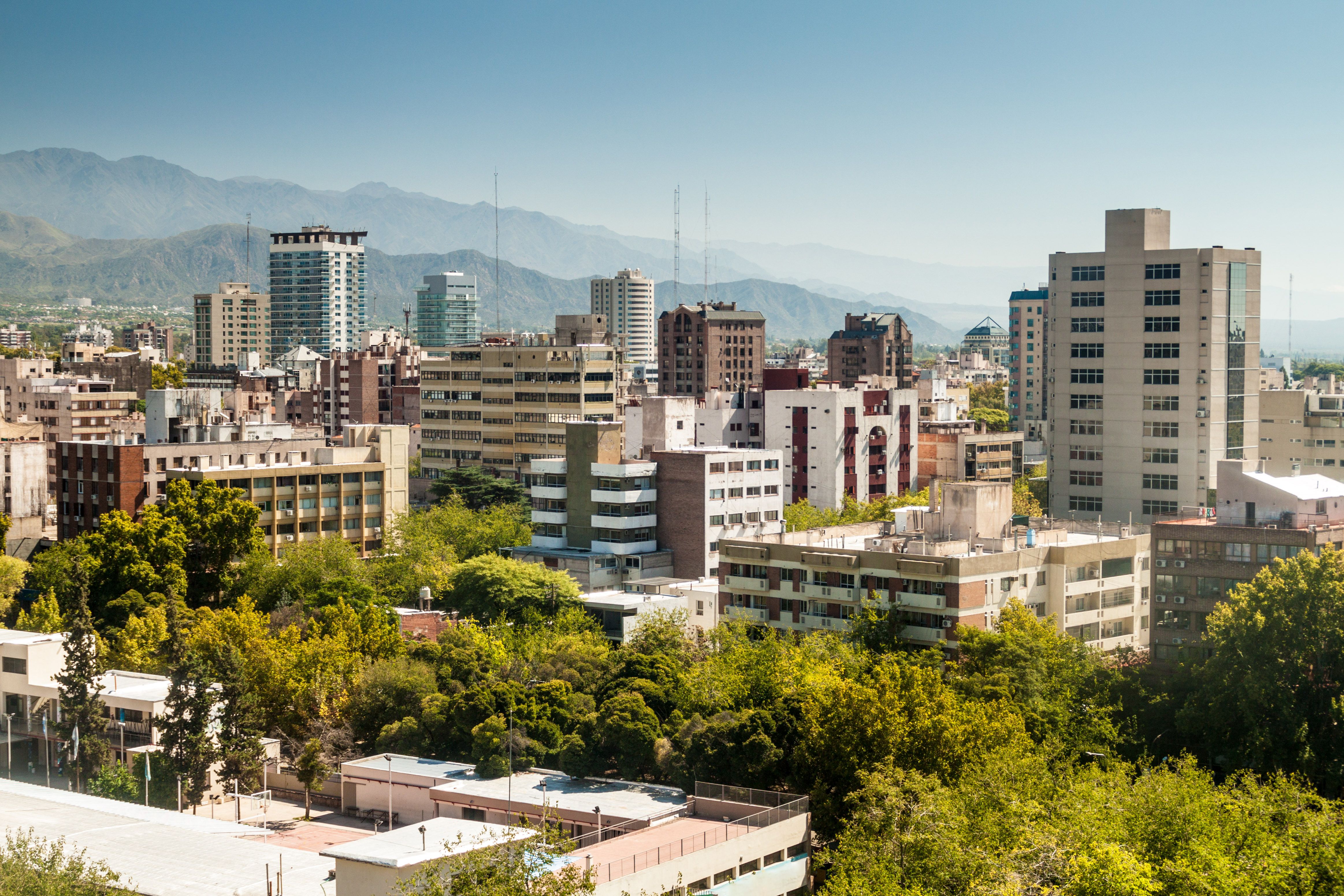
Argentina Signs Landmark Trade Deal with US, Paving Way for Surge in Bilateral Trade
The signing of a landmark trade deal between Argentina and the United States marks a major breakthrough in President Javier Milei's efforts to reinvigorate Argentina's stagnant economy and cement ties with Washington. The agreement slashes tariffs on hundreds of product categories, paving the way for a surge in bilateral trade.
This development reflects shifting economic and strategic alliances globally, as countries like Argentina turn towards Washington in response to China's growing influence. Argentina's economy shows signs of recovery under President Milei's administration, with economists forecasting a 4.2% expansion in 2025 after inflation rates improve and austerity measures are implemented.
The deal with the US marks a strategic pivot away from China, which has long been Argentina's largest trading partner. This move reflects growing tensions between the US and China, as well as the latter's increasing dominance in regional trade blocs such as the Belt and Road Initiative (BRI).
Germany's recent experience with foot-and-mouth disease outbreaks serves as a stark reminder of the risks associated with global trade disruptions. The country's sweeping international trade bans on livestock and related products highlight the interconnectedness of global supply chains and the need for robust cooperation to mitigate the impact of such crises.
As countries like El Salvador sign new reciprocal trade agreements with Washington, they demonstrate a willingness to adapt to changing global economic conditions and prioritize strategic partnerships over regional blocs. Furthermore, Panama's agreement to enhance immigration collaboration with the US highlights the increasingly complex nature of international cooperation on migration issues.
Looking ahead, Argentina's decision to pivot towards the US is likely to have significant implications for the country's economic growth and stability. The success of this agreement serves as a reminder that economic cooperation and strategic partnerships can be powerful tools for promoting growth, stability, and security in the face of an increasingly interconnected world.
However, there are also risks associated with this shift, including the potential for trade tensions with China and other countries, as well as the need for Argentina to navigate complex diplomatic relationships with the US and other regional partners. Ultimately, the future trajectory of Argentina's economic and foreign policy will depend on its ability to adapt to changing global conditions and prioritize strategic partnerships that align with its national interests.
The agreement offers a beacon of hope for Argentine businesses and policymakers alike, as it is expected to boost bilateral trade and create new opportunities for US companies to invest in Argentina. By slashing tariffs on hundreds of product categories, the deal is likely to stimulate economic growth and provide much-needed relief to Argentina's struggling economy.